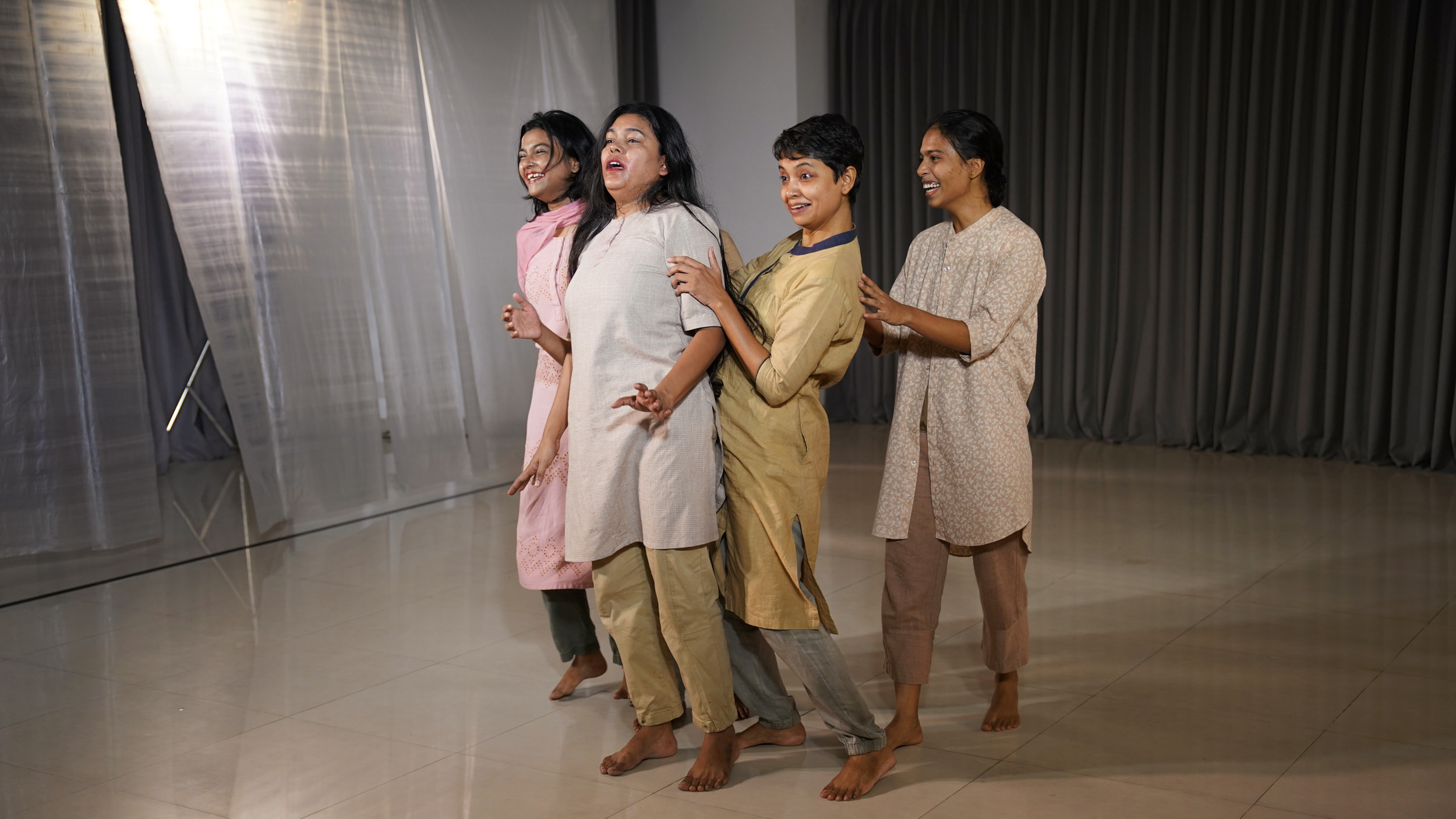
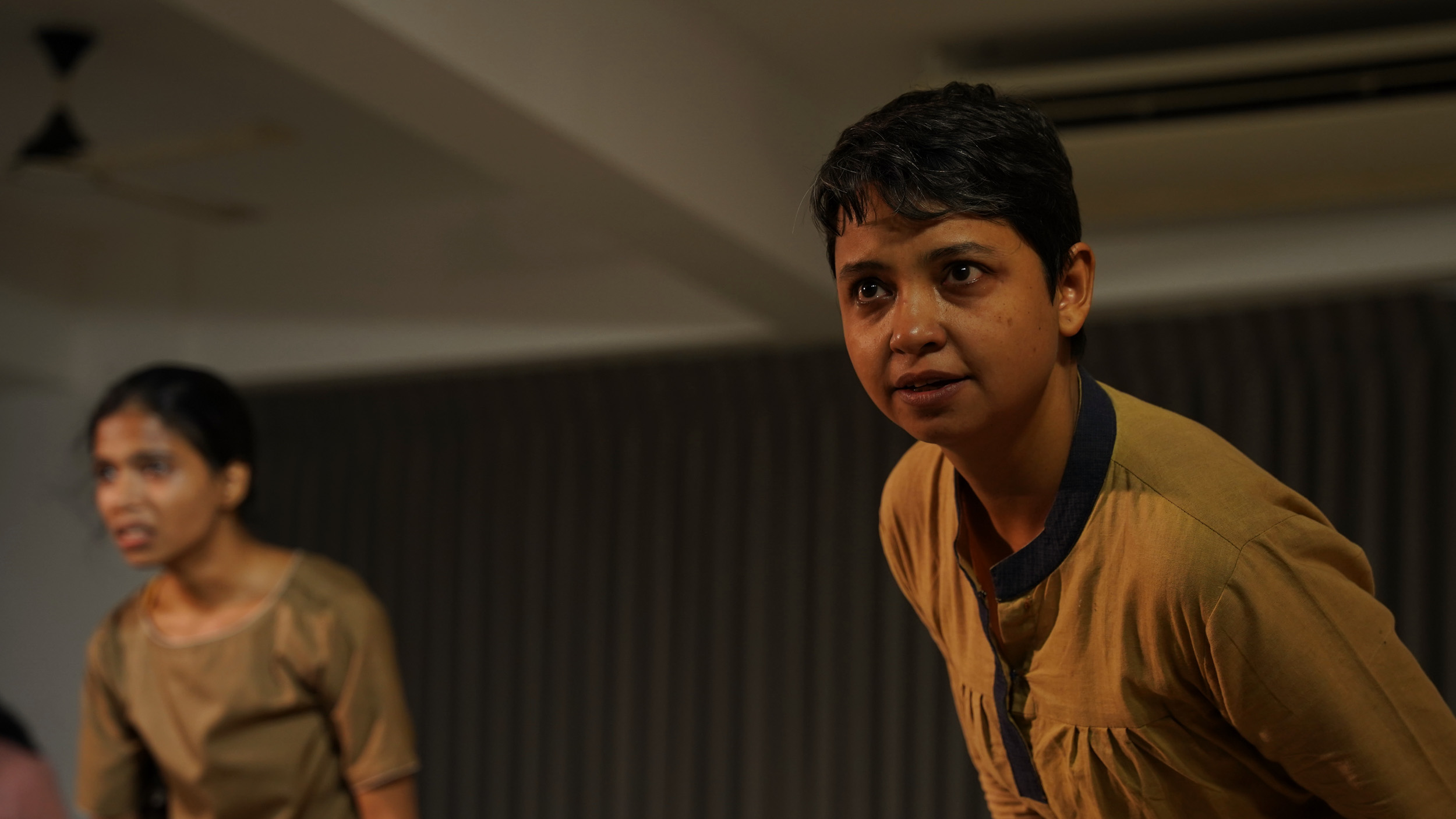
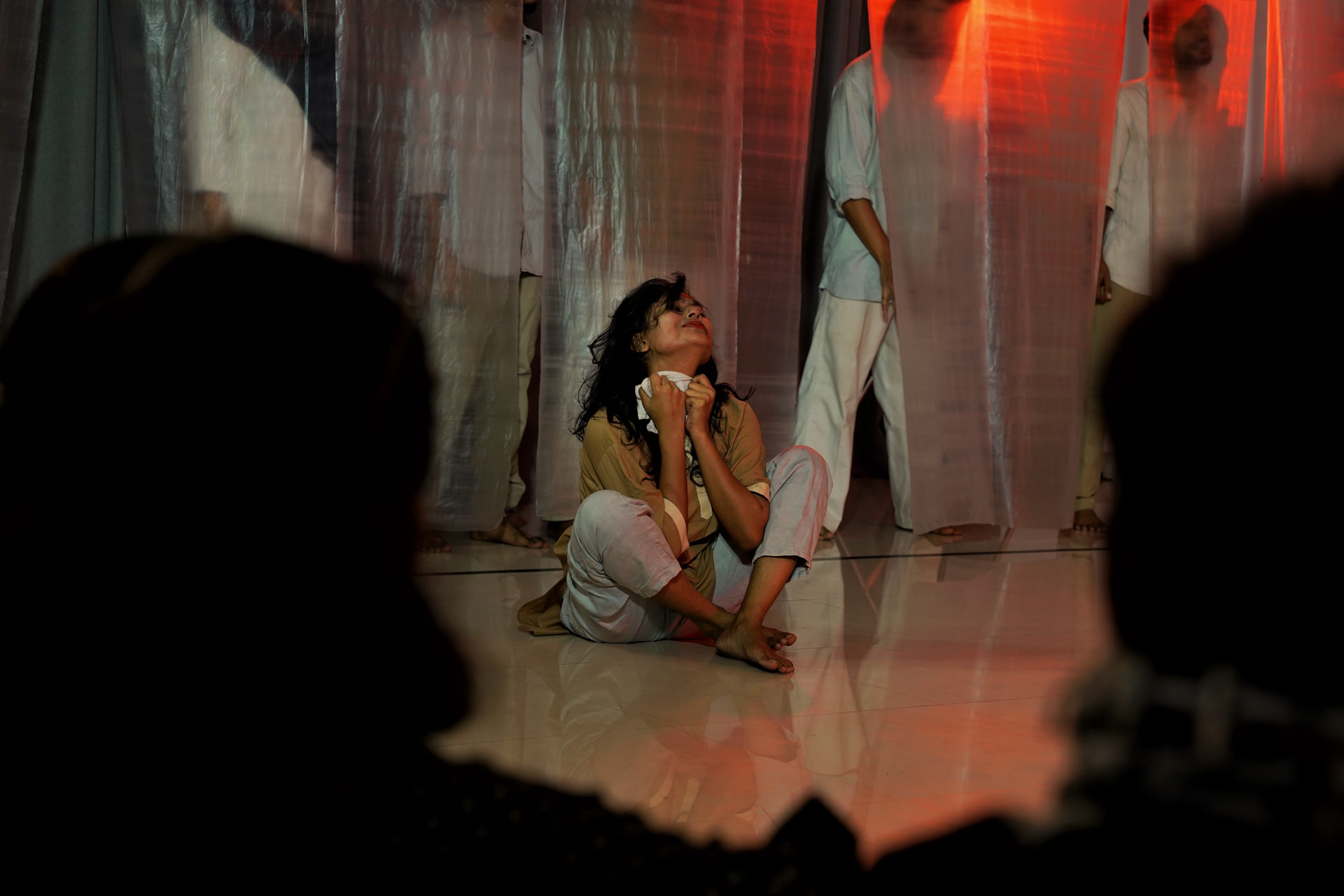
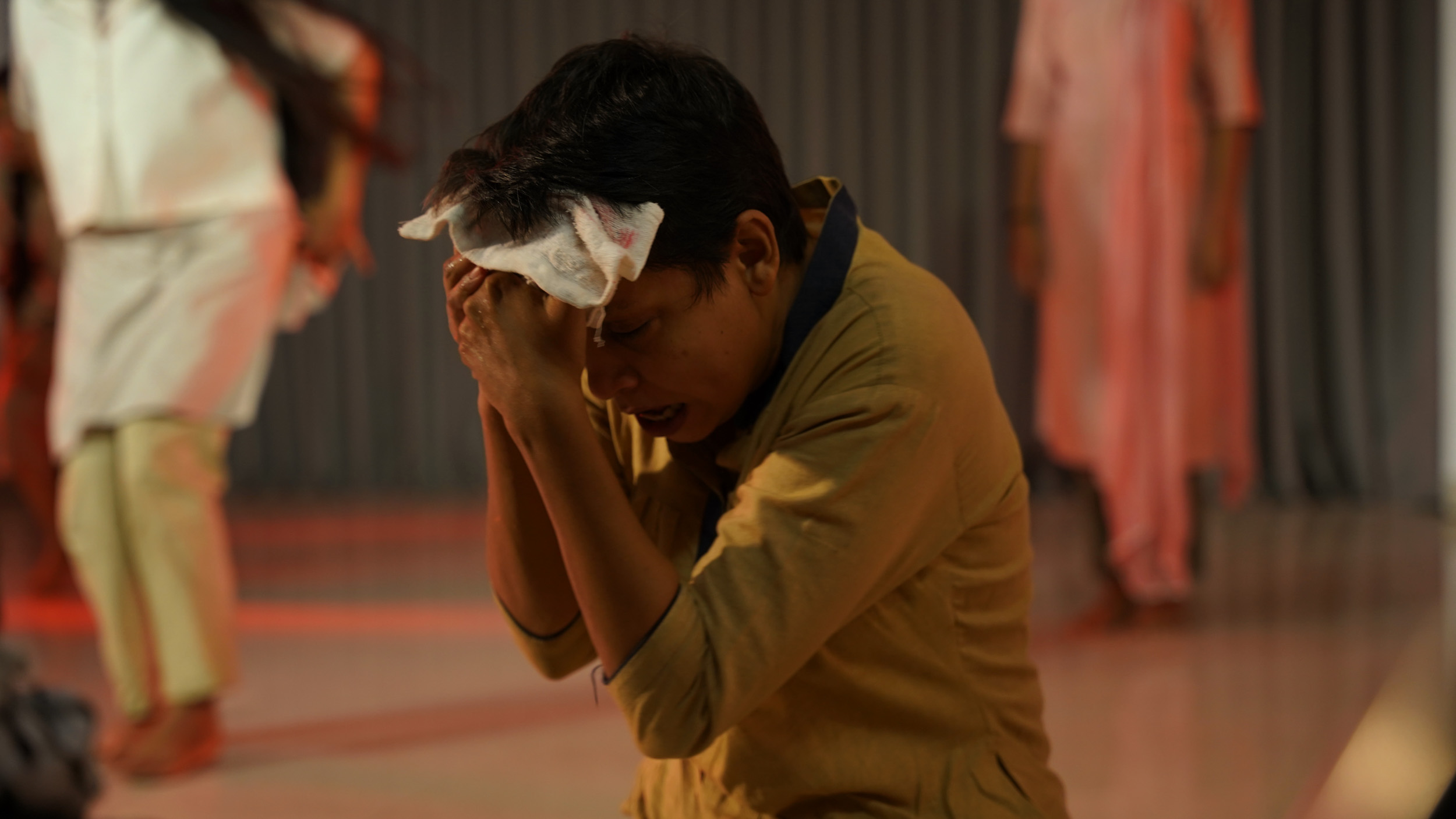
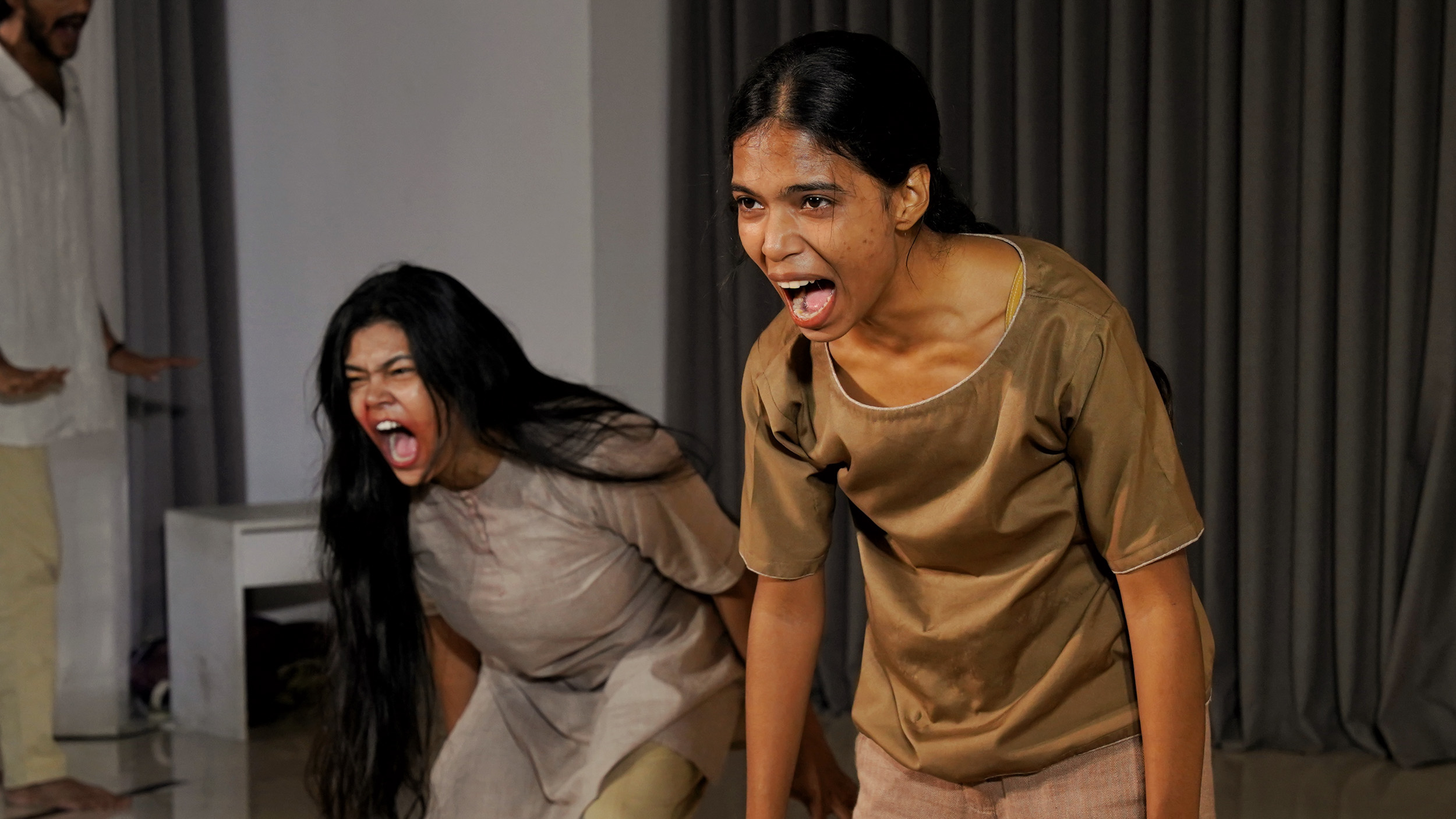
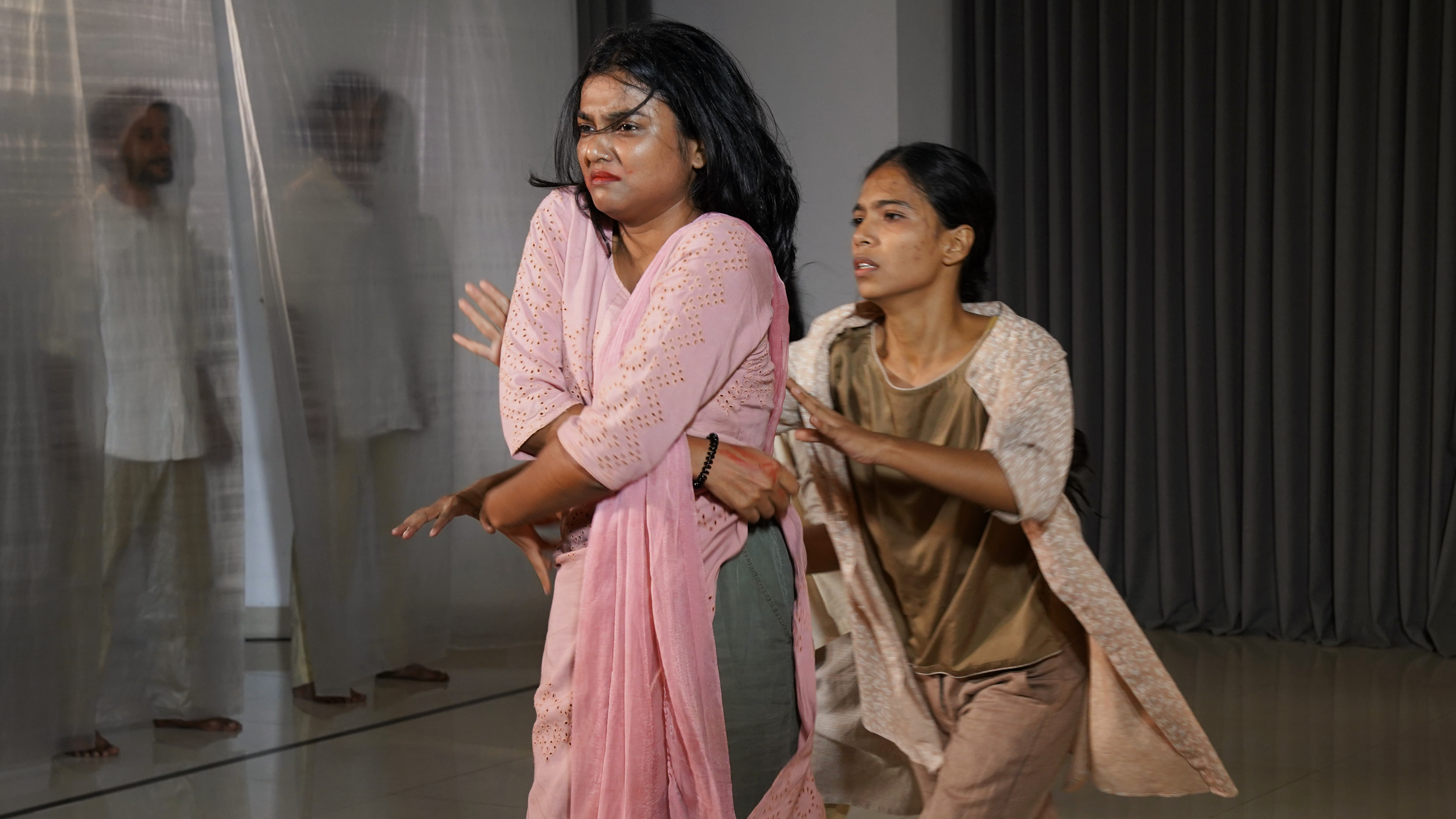
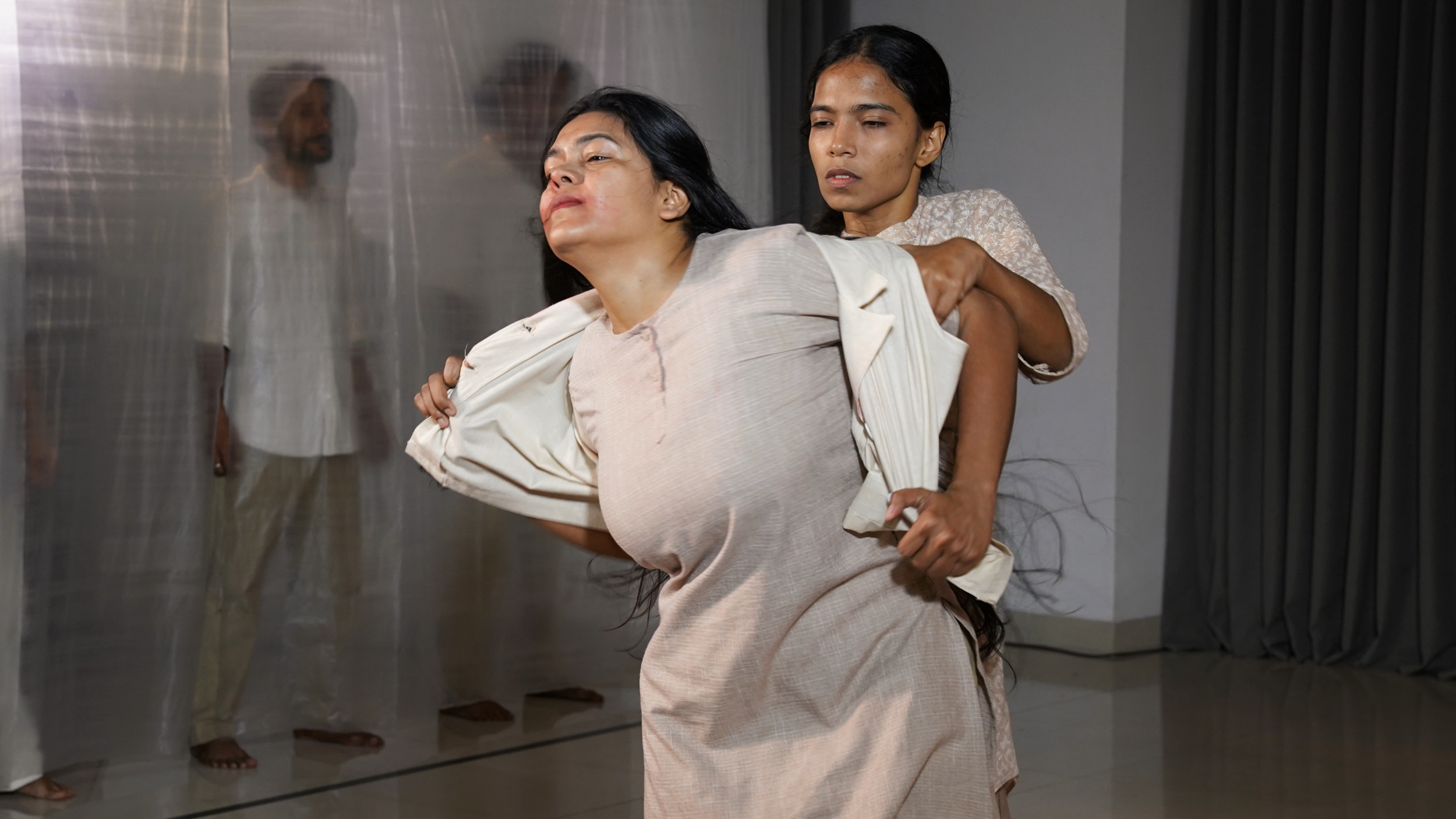
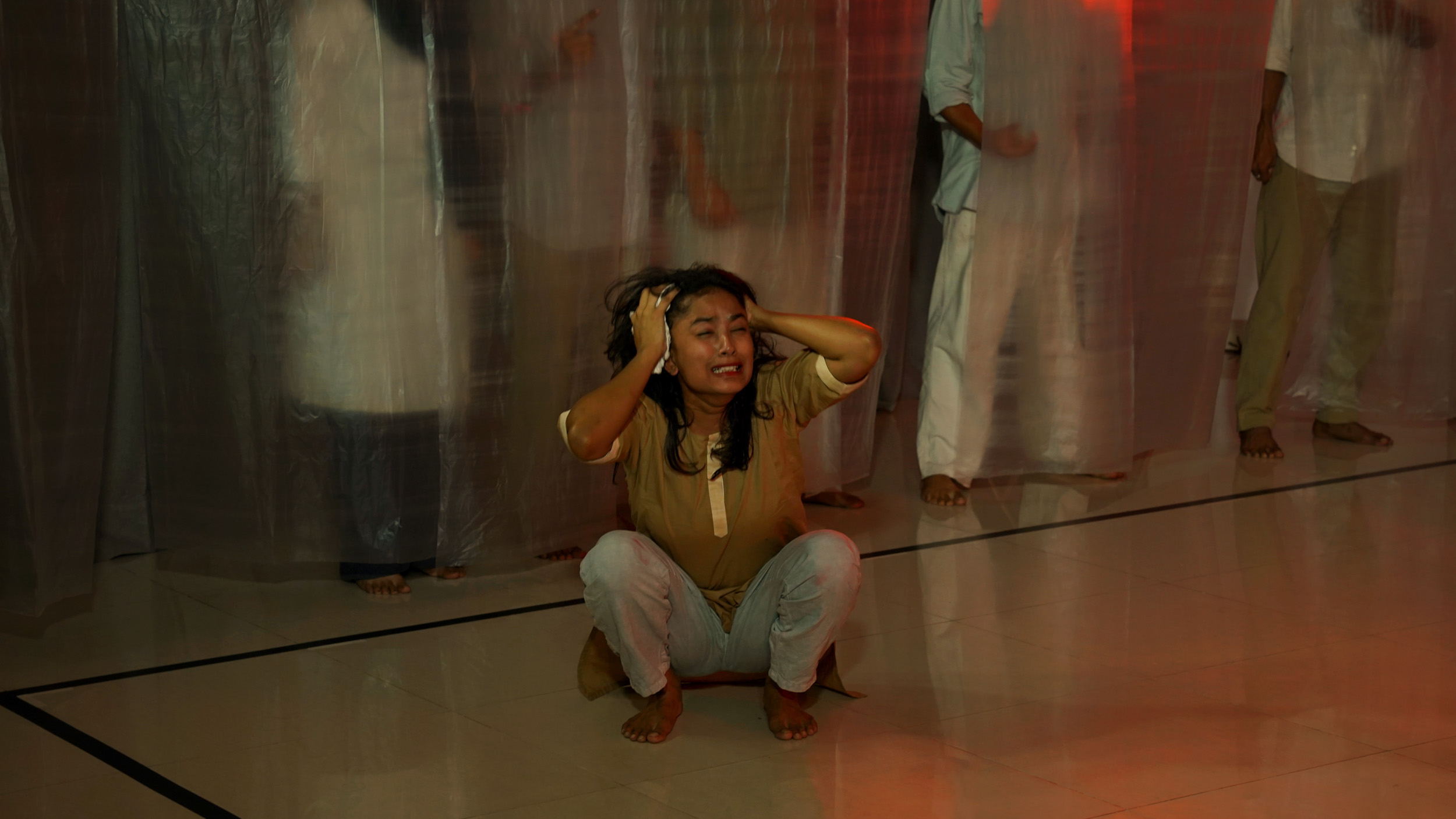
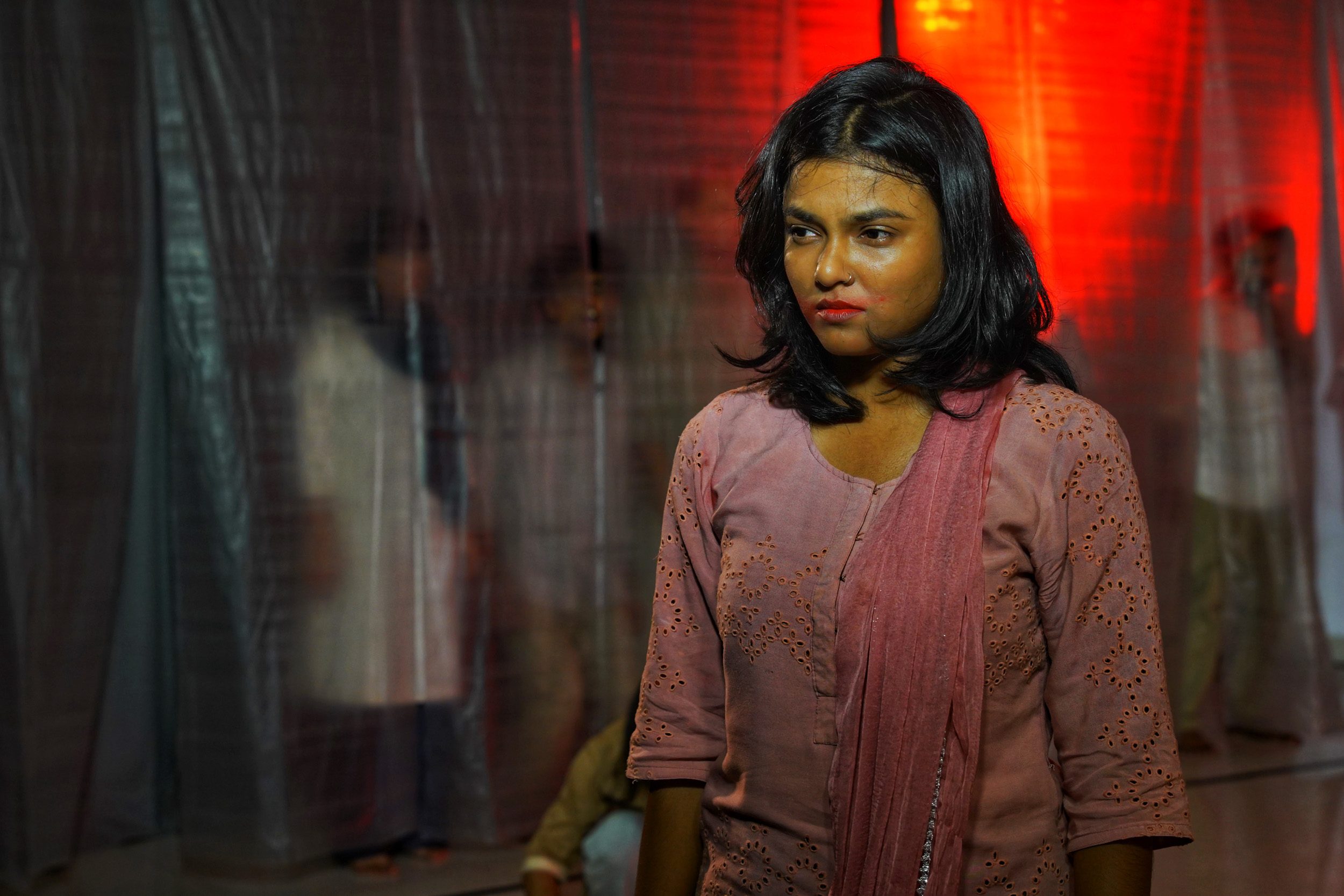
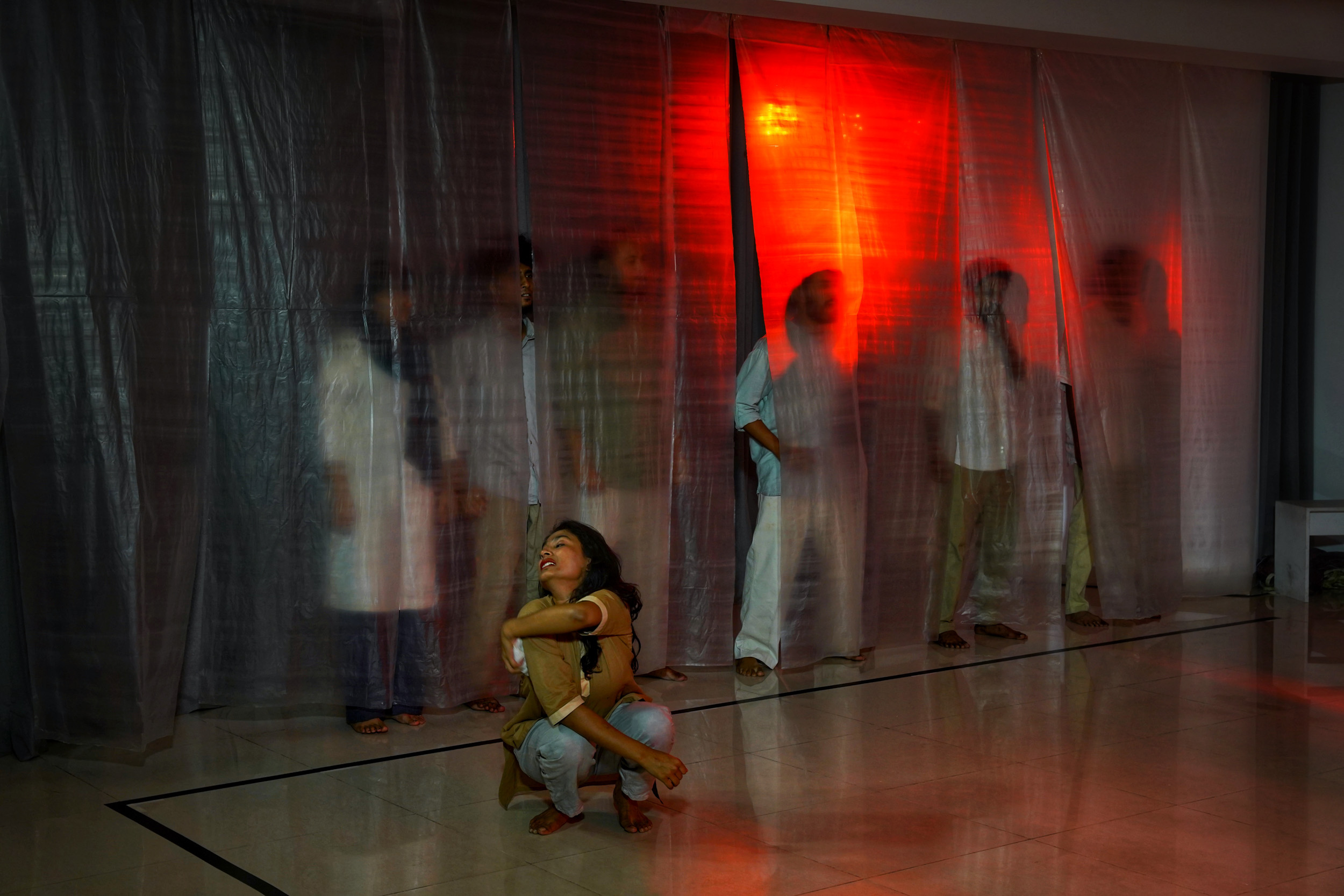
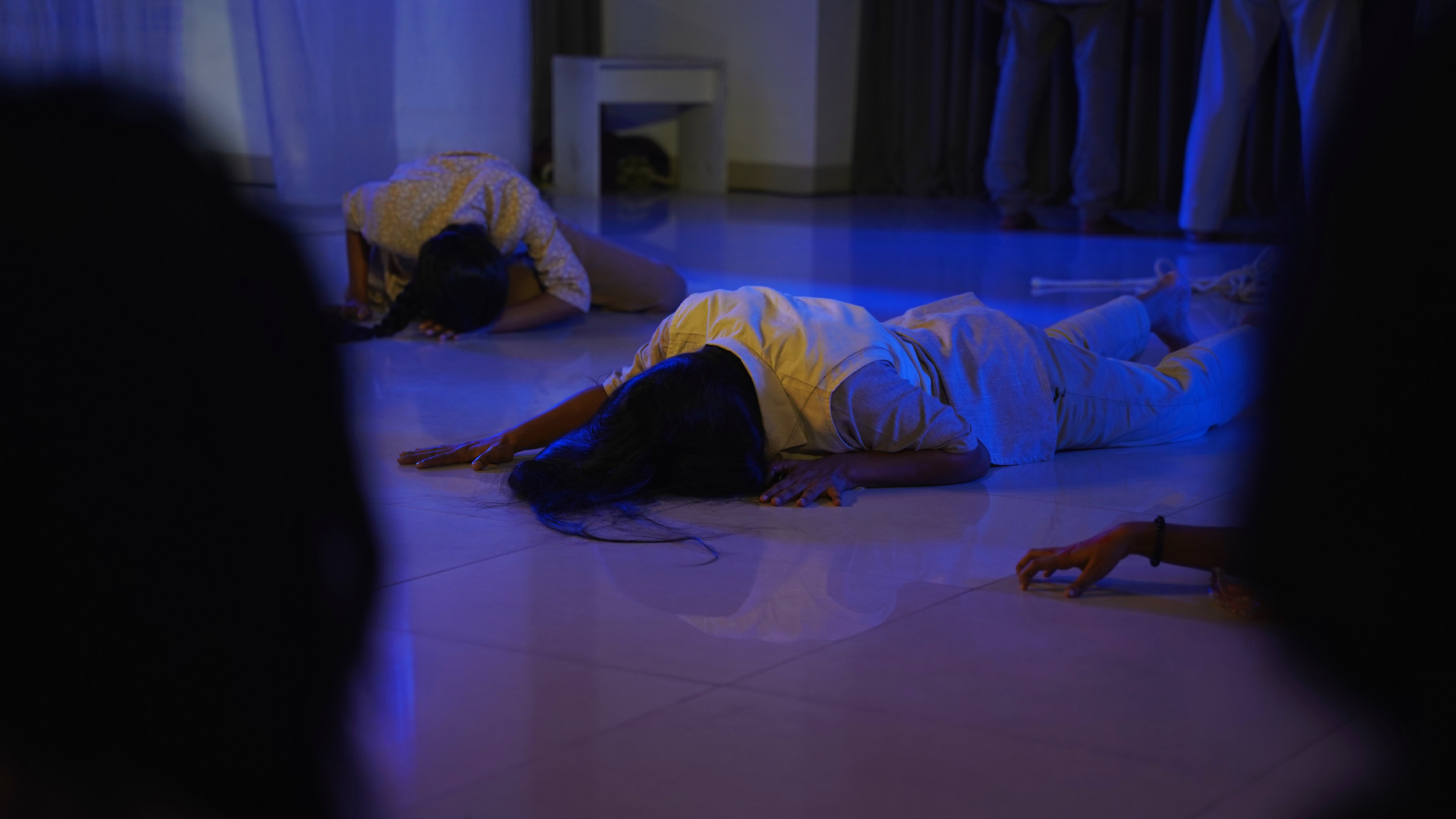
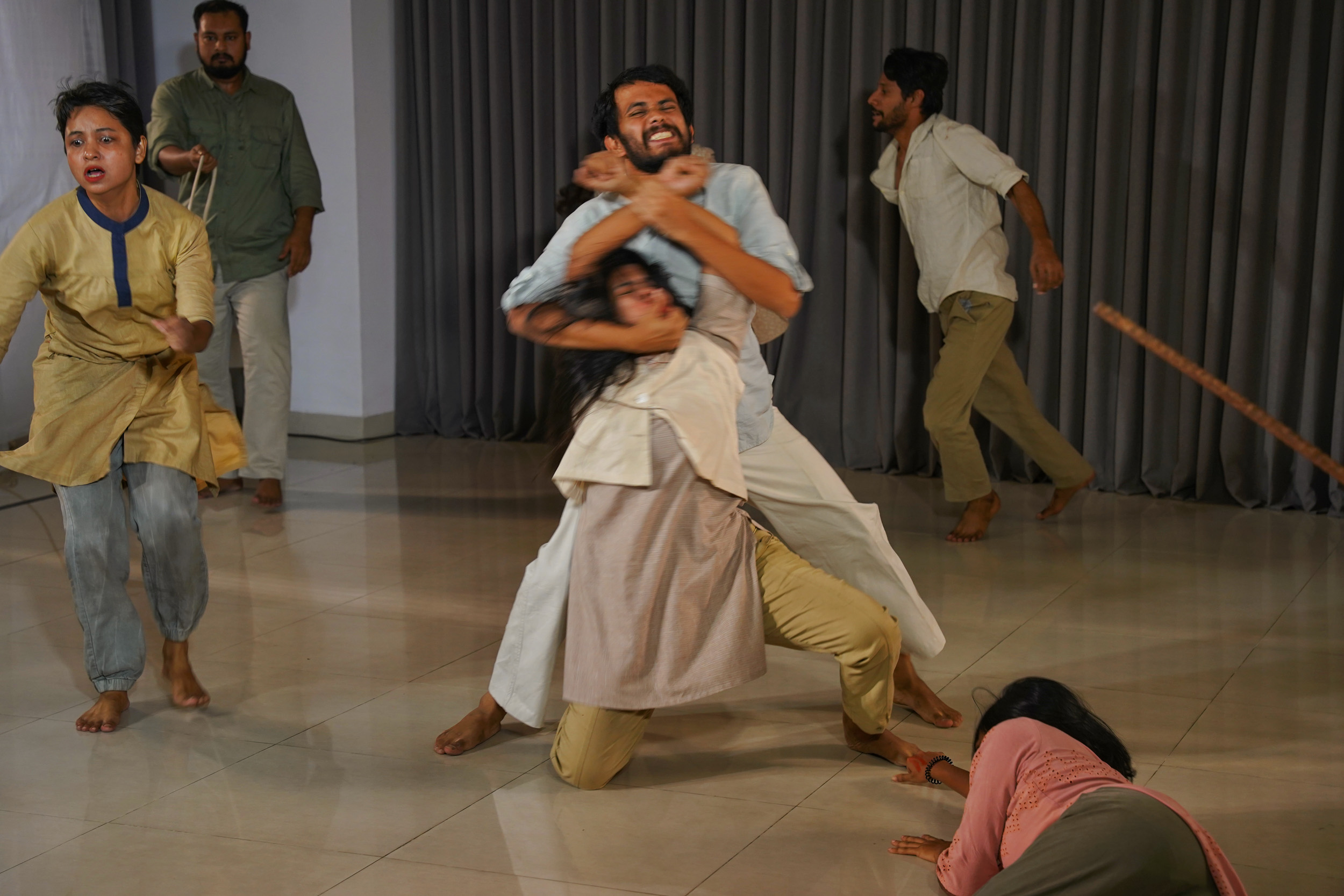
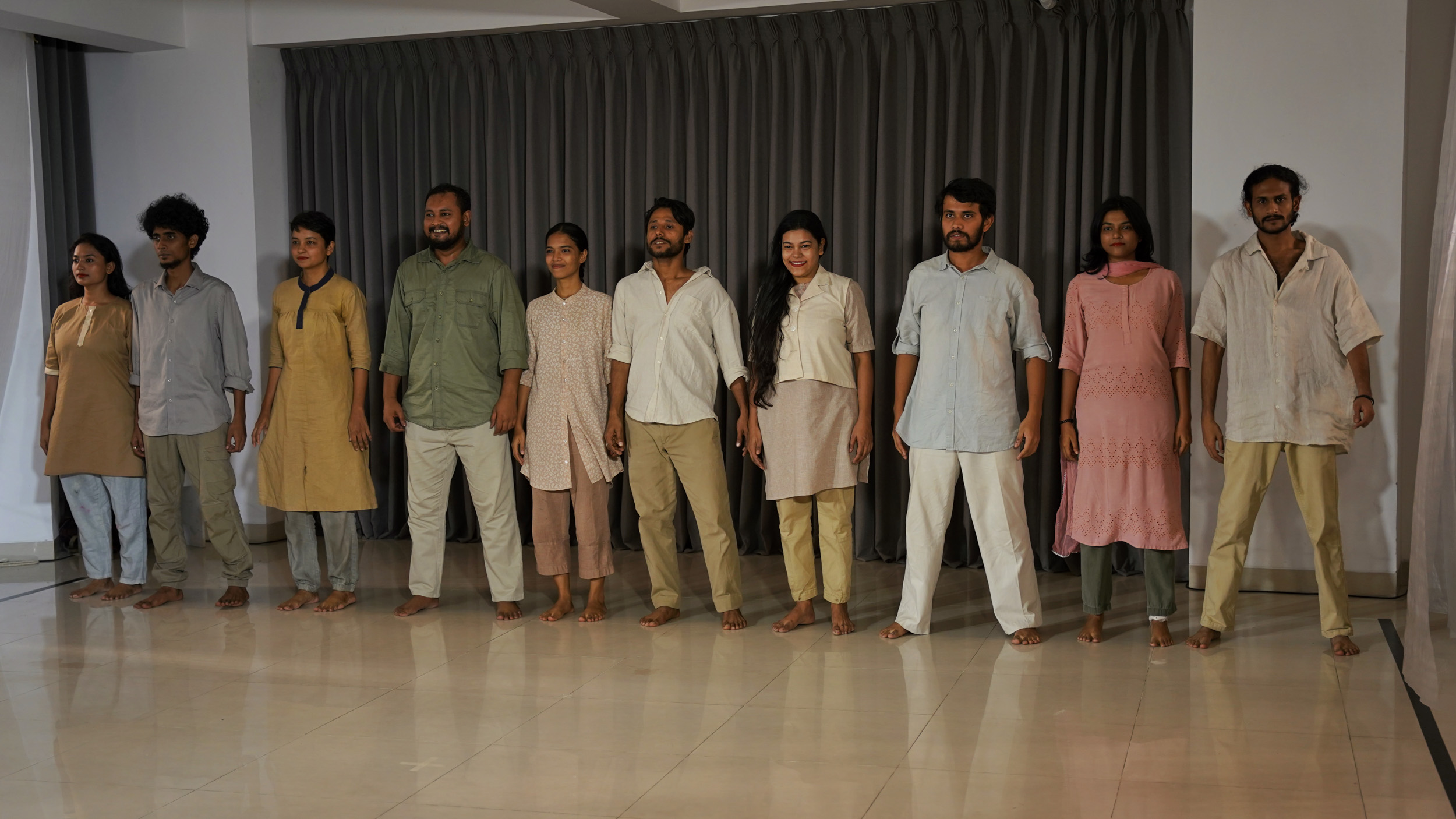
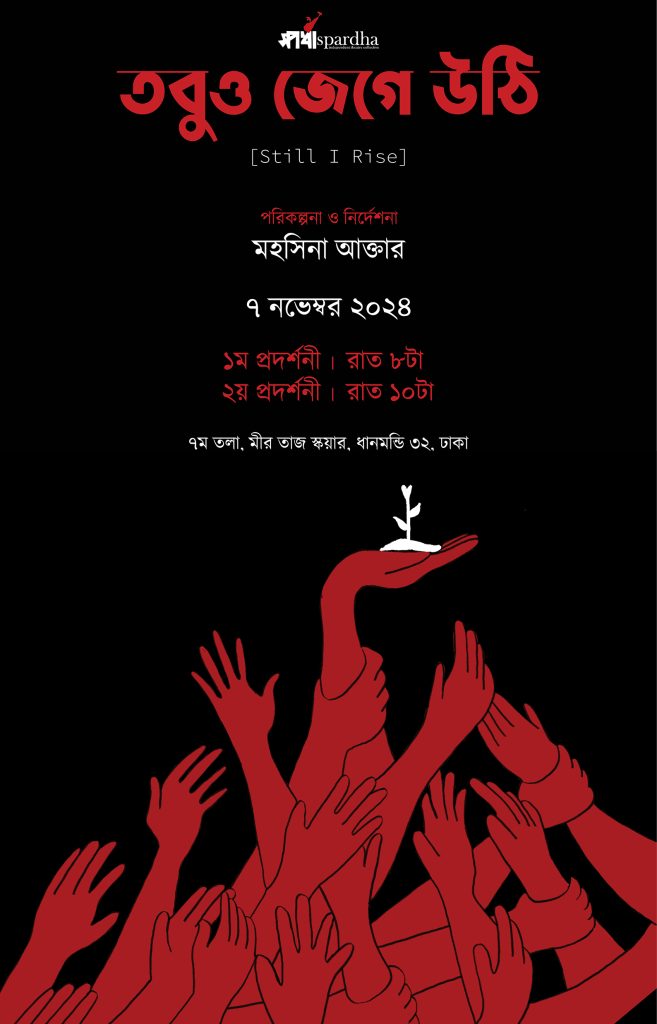


তবুও জেগে উঠি/Tobuo Jege Uthi (2024)
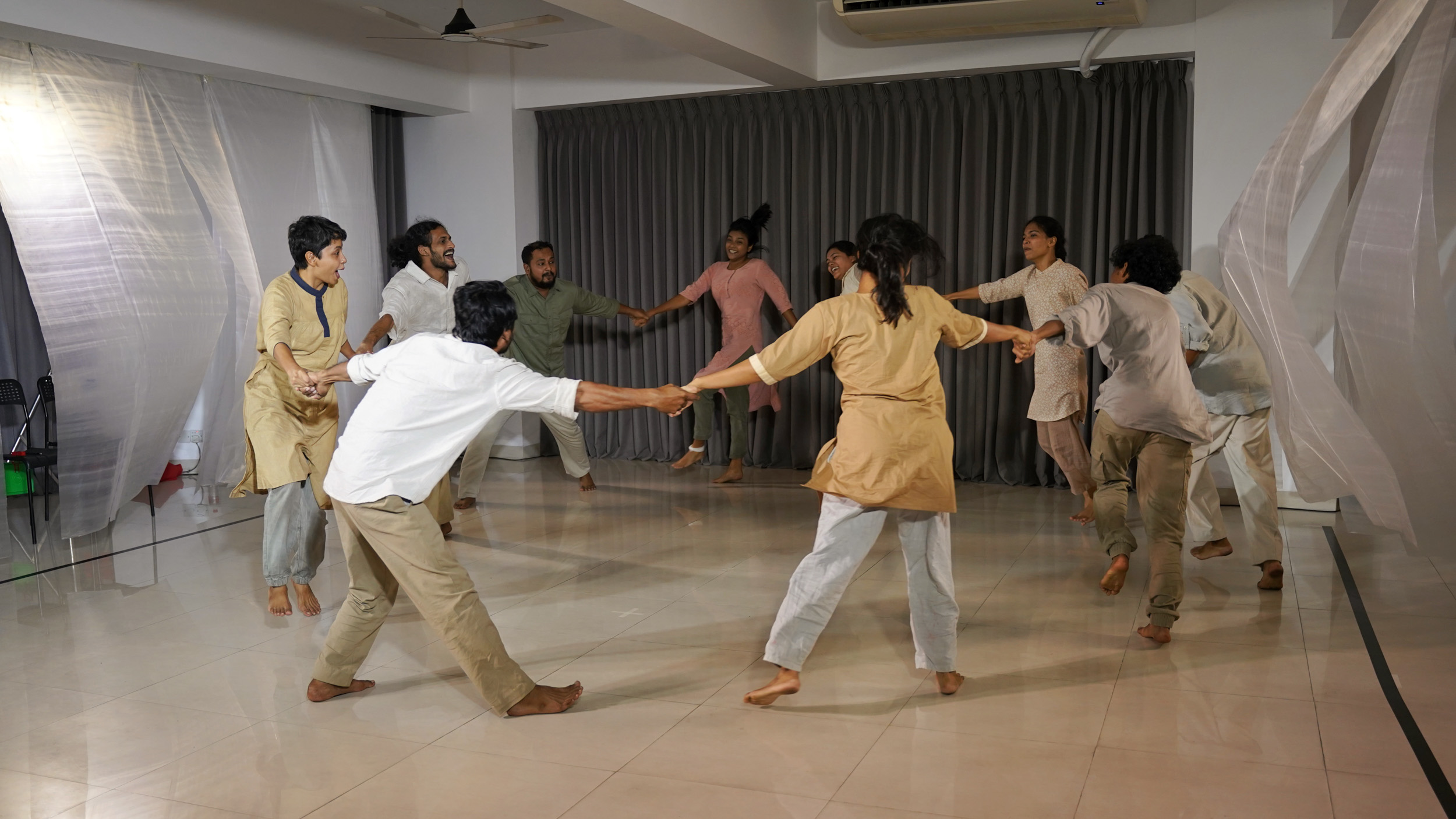
Since a point in time far predating birth, we are tethered to the feminine. Primal as the umbilical cord, it is a bond that spans the whole of our human experience. Together we bloom, grow in arms, basking in the simple, nourishing innocence we’re afforded in childhood. Right then, strange voices ring out.
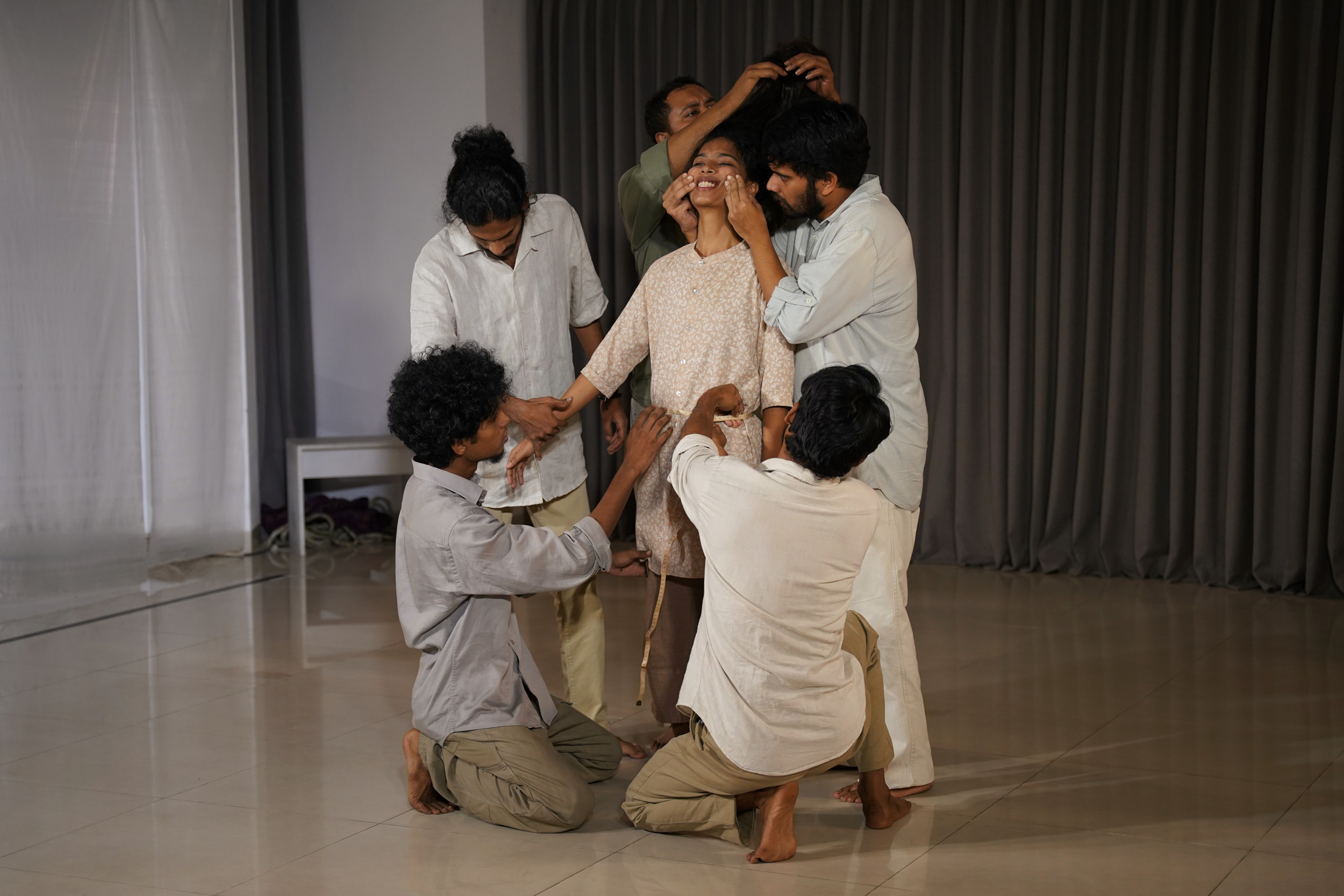
Voices that dole out invented gender roles and prescriptions of new ‘ways to be’, chucking us into coops of binary dichotomies, lacking dimension or depth. By this creation of the ‘other’, we’re forever dictated to be ‘different’, prophetically poised against each other. Camaraderie, curiosity, creation – swept away by polarizing tides. An eternal loop of farcical strife is fueled. Then on, the patriarchal power structure systematically denies women the space to stand alongside others, on their own accord or merit. Their stakes are denied, their contributions unacknowledged.
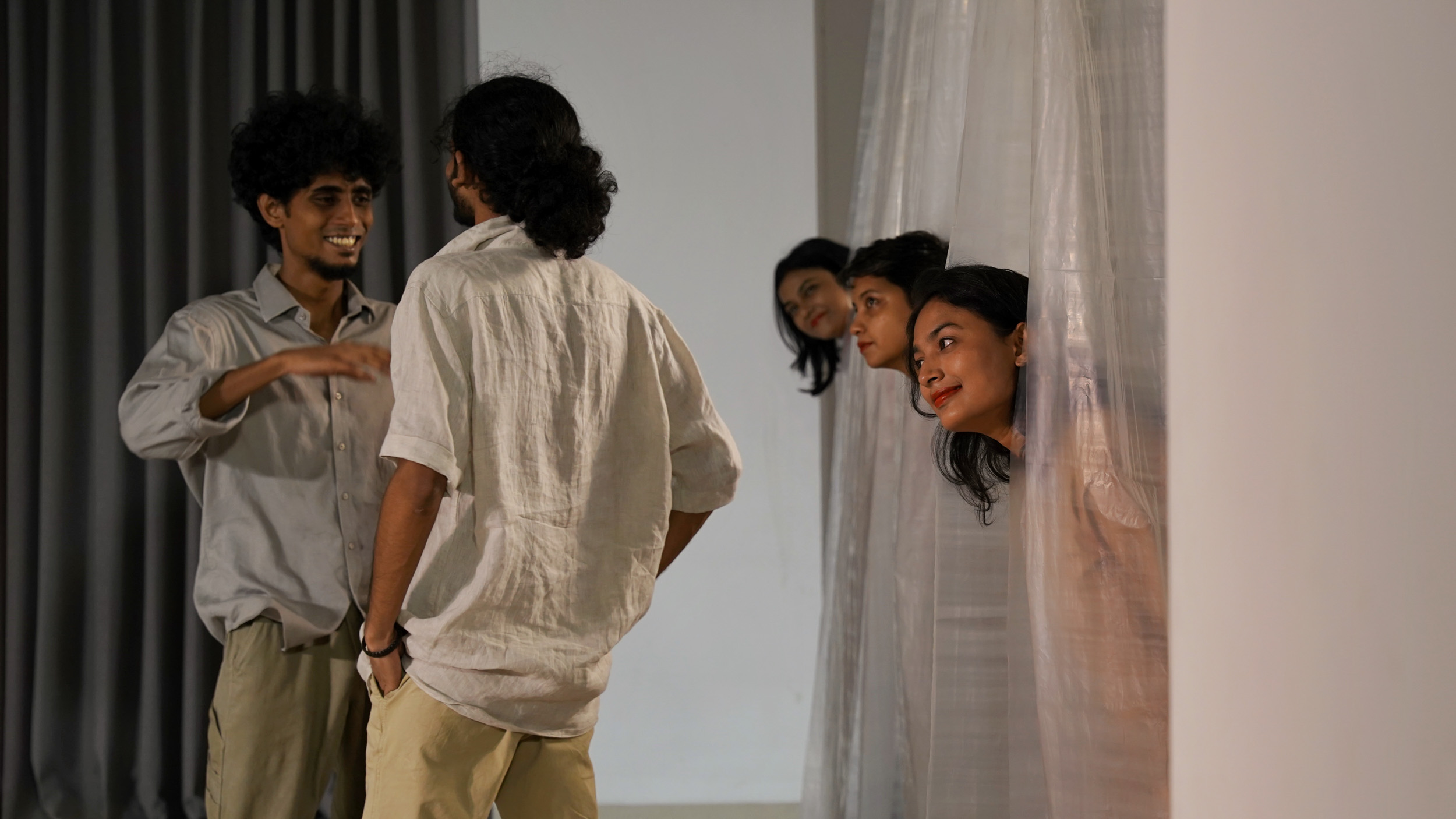
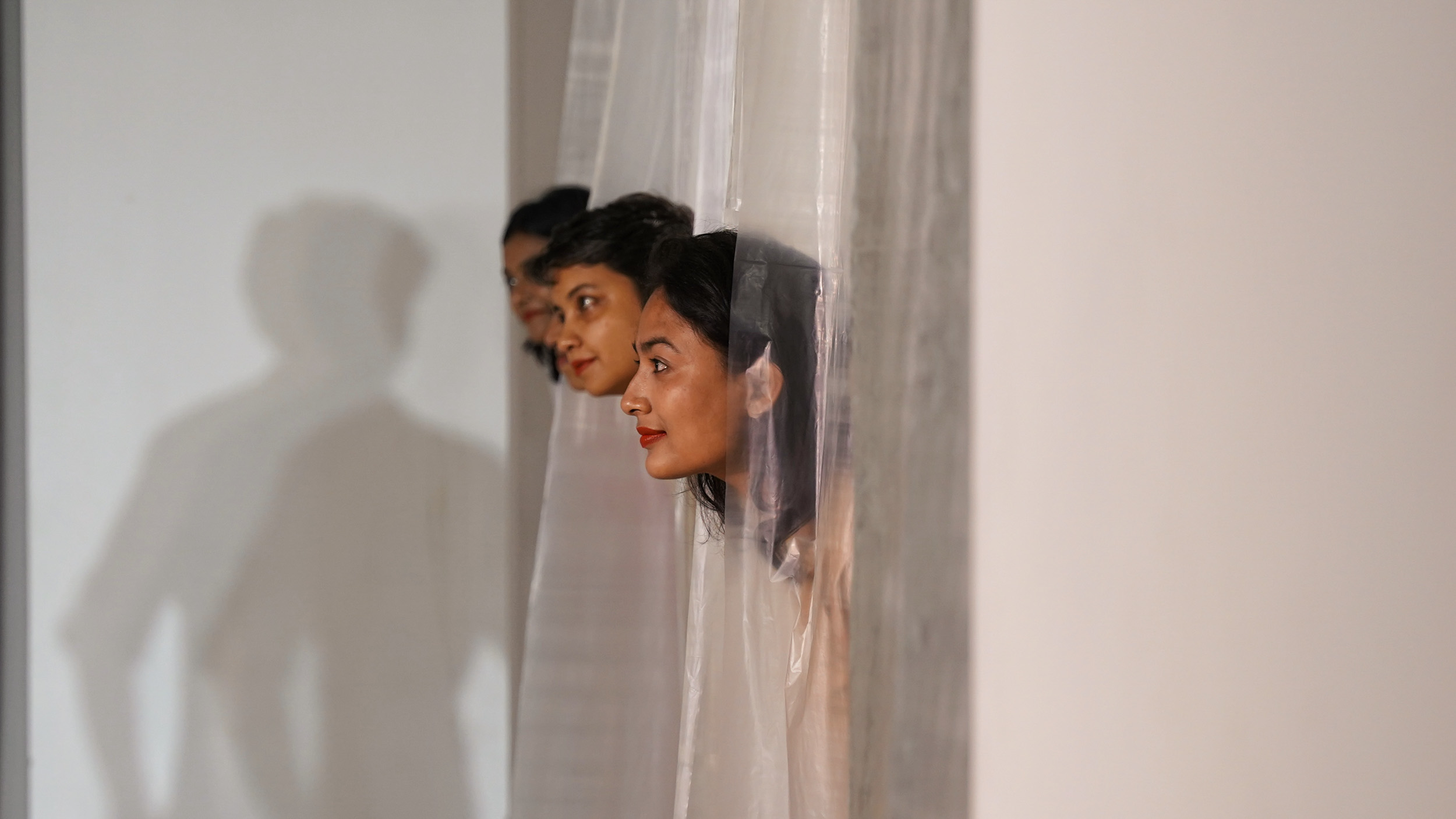
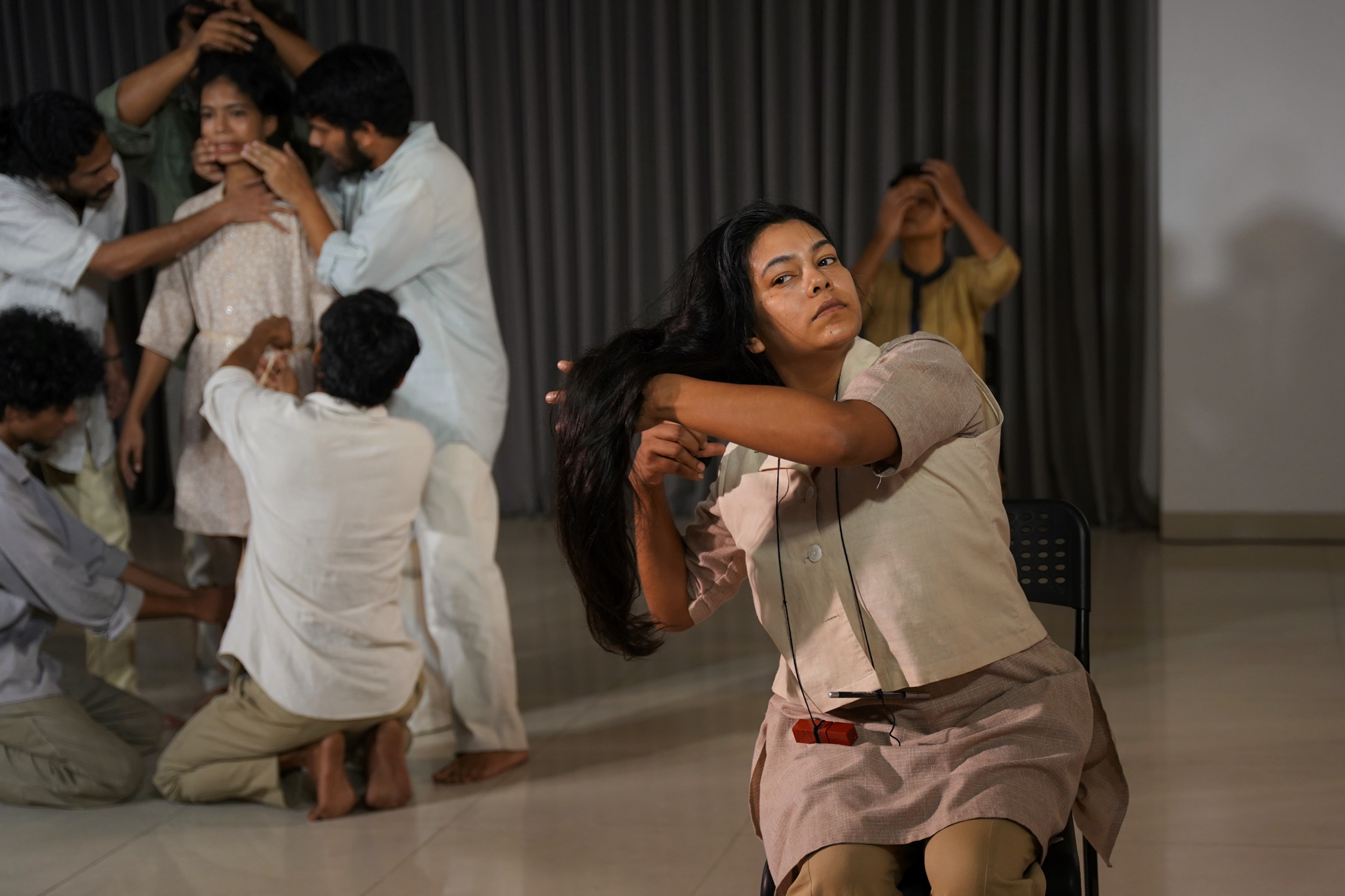
As soon as a collective goal is met, society decides the woman’s place is back behind the curtain – shadows glorified by some notion of ‘sanctity’. Like clockwork, an extraordinary effort to ‘correct’ her resume, a relentless ritual of reforming, restraining, erasing her.
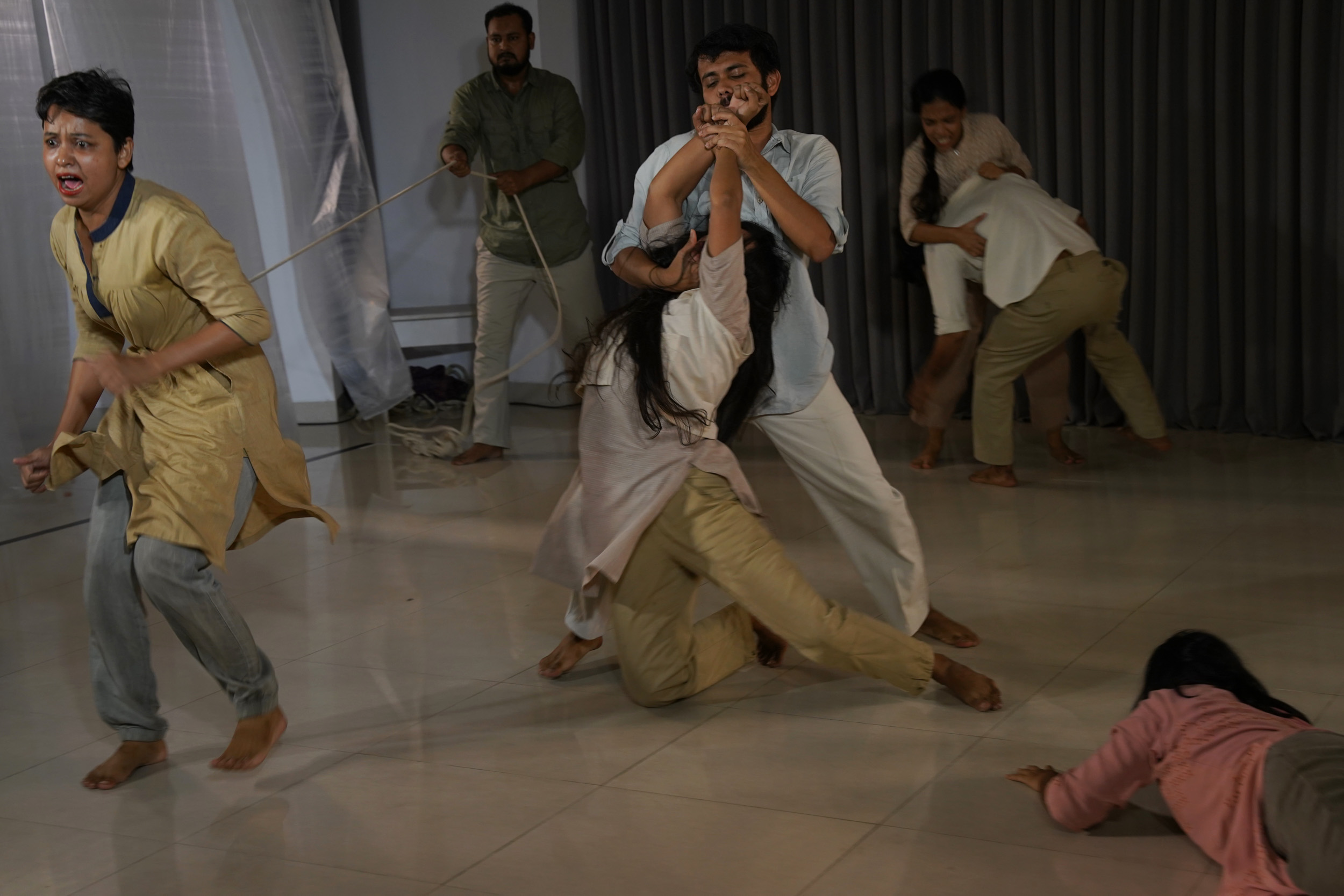
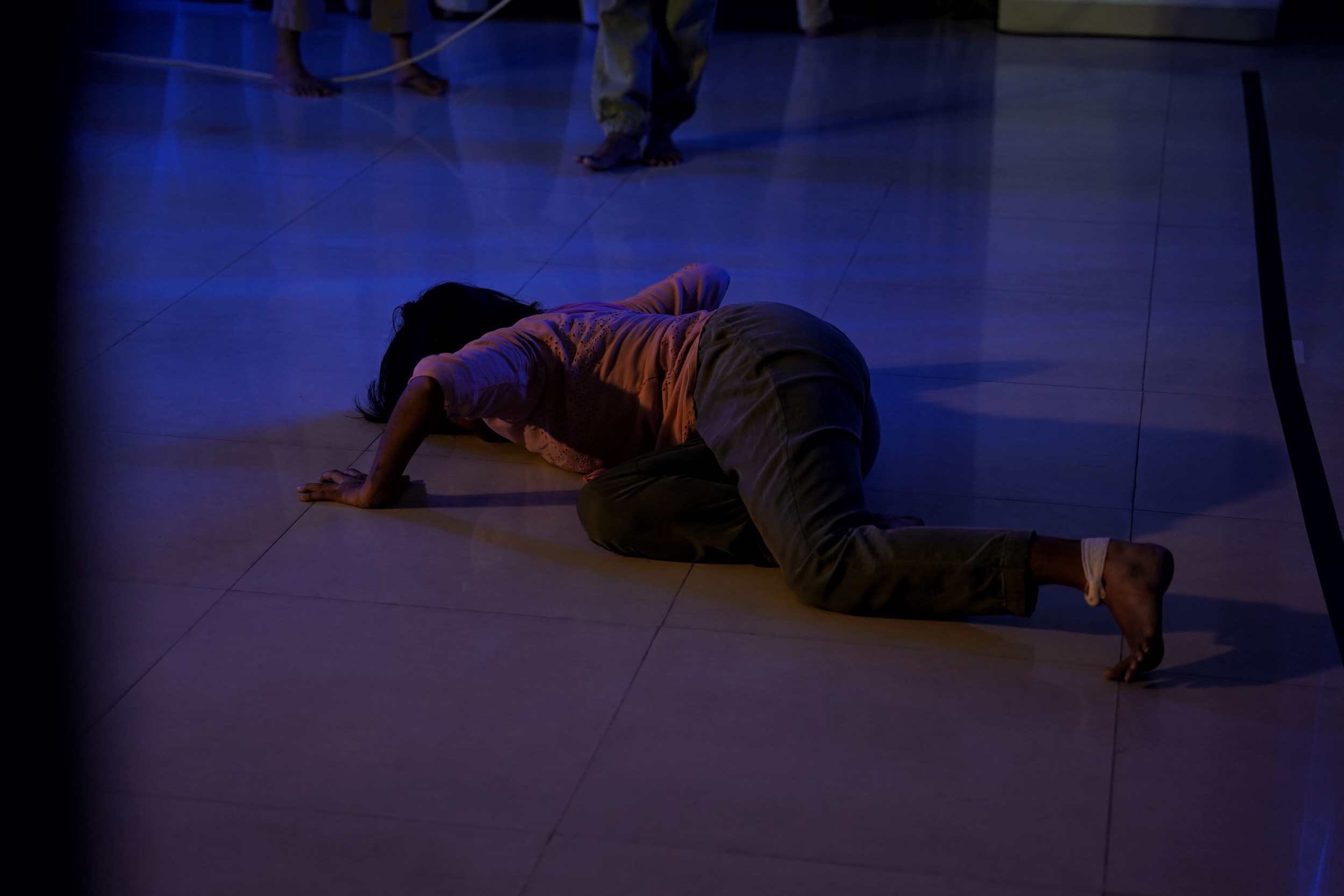
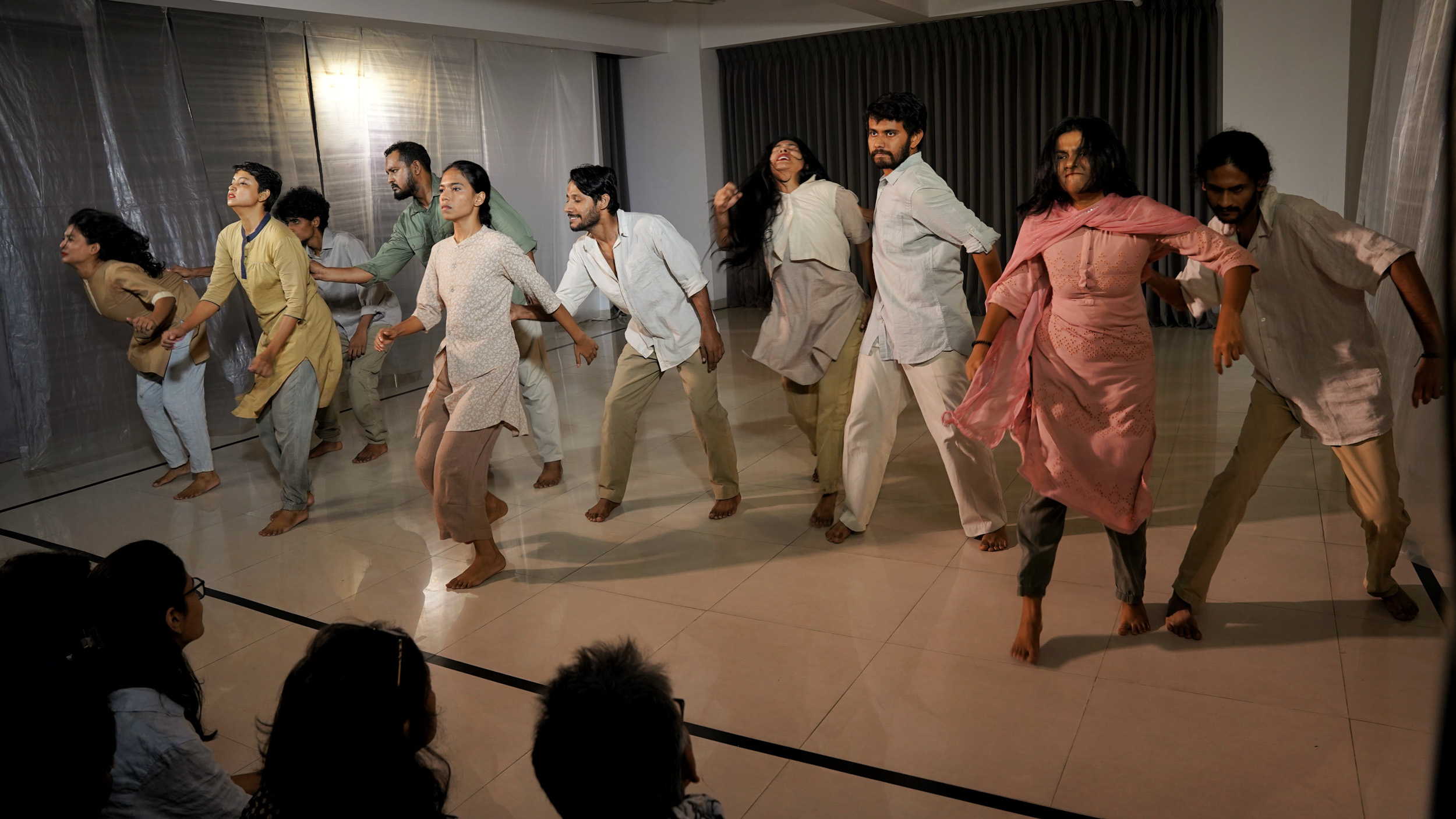
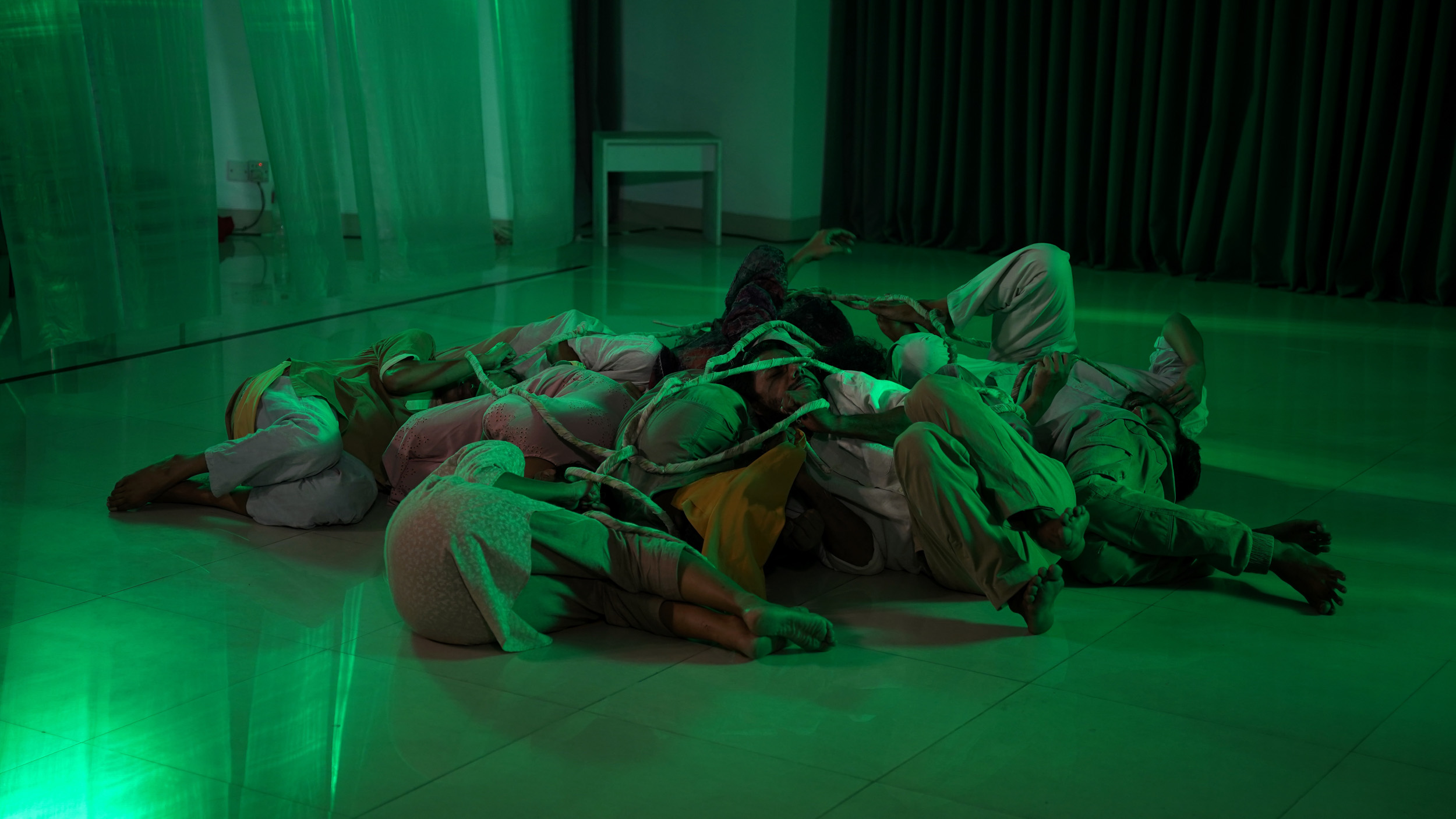
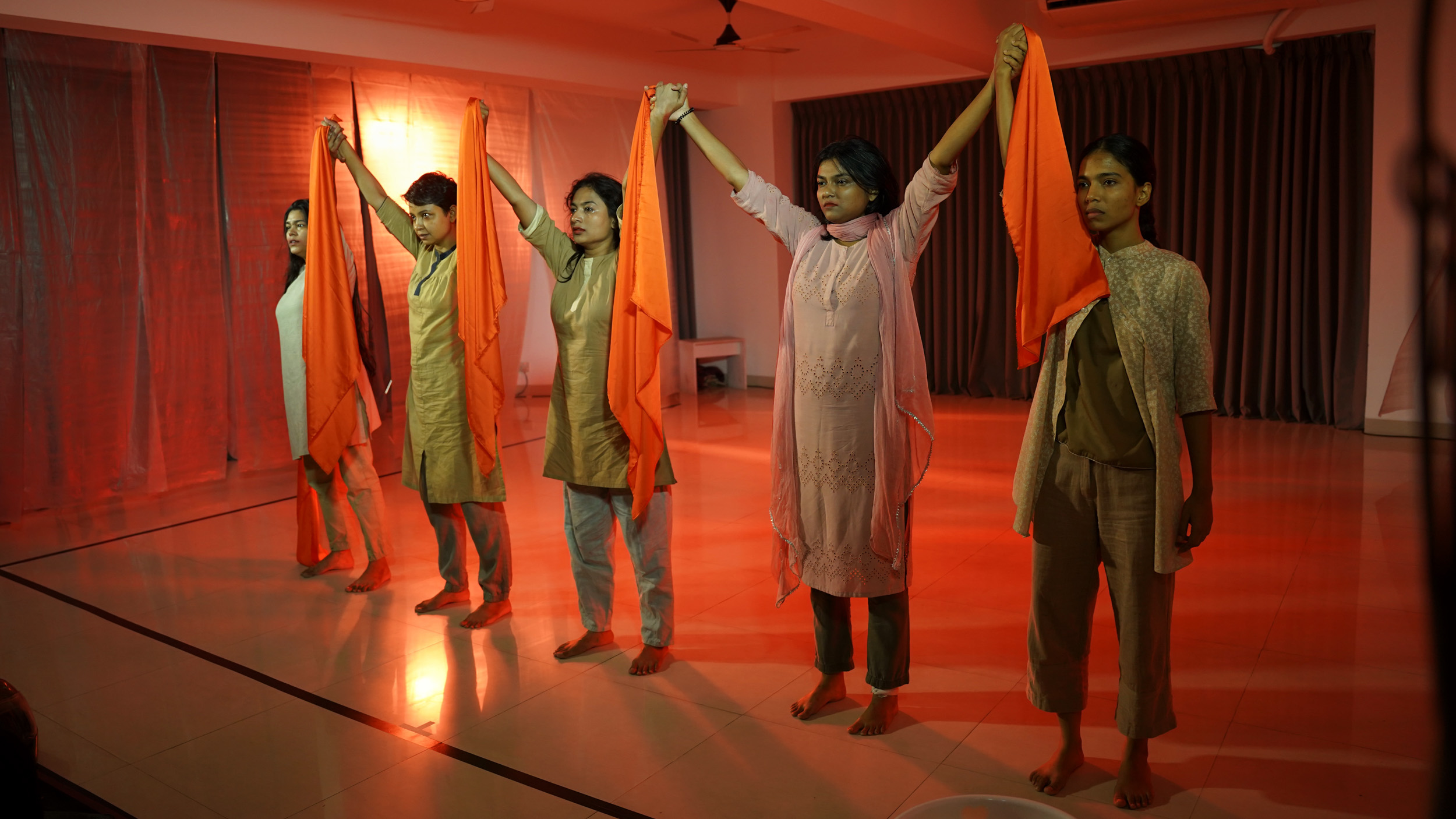
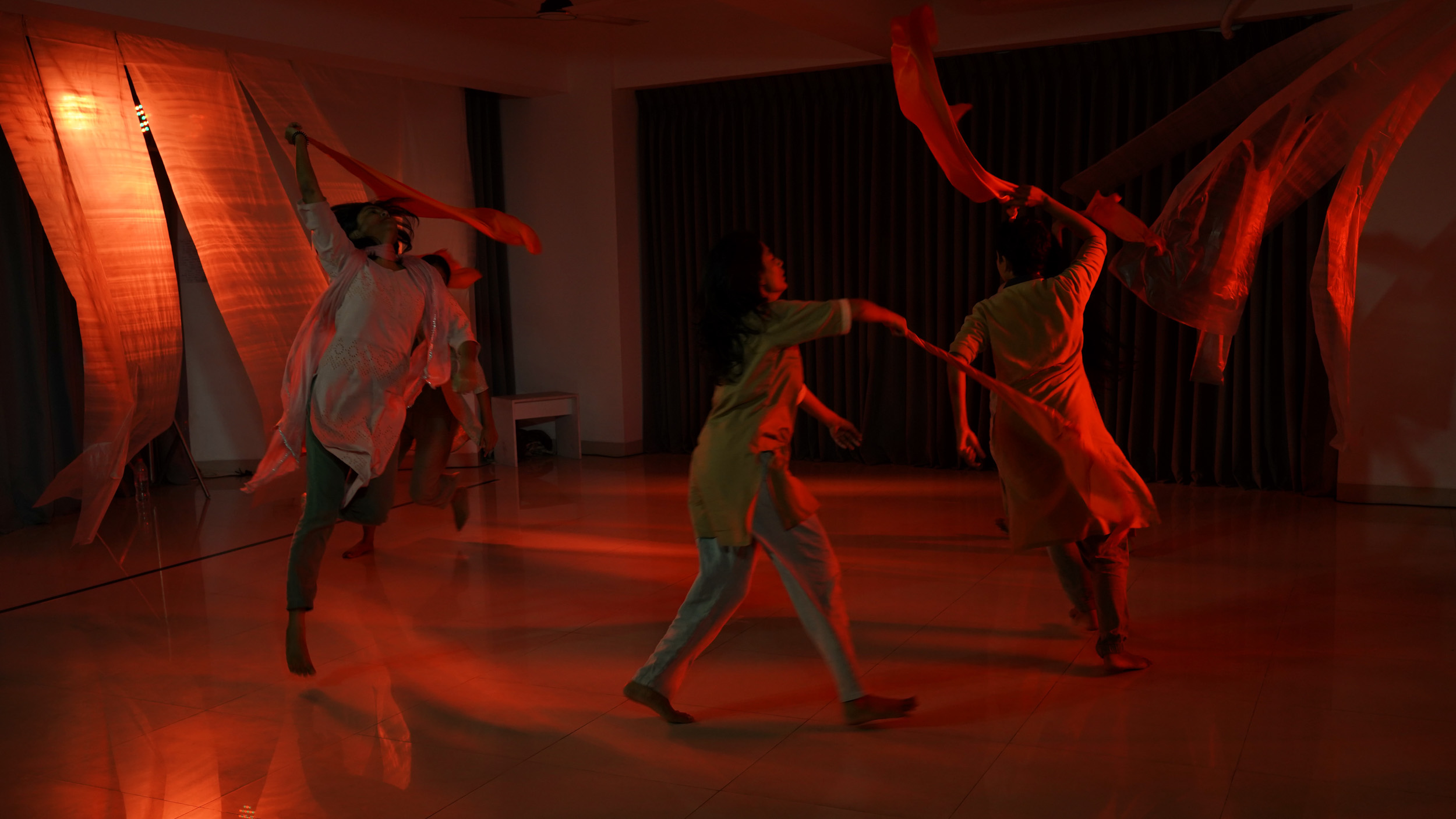
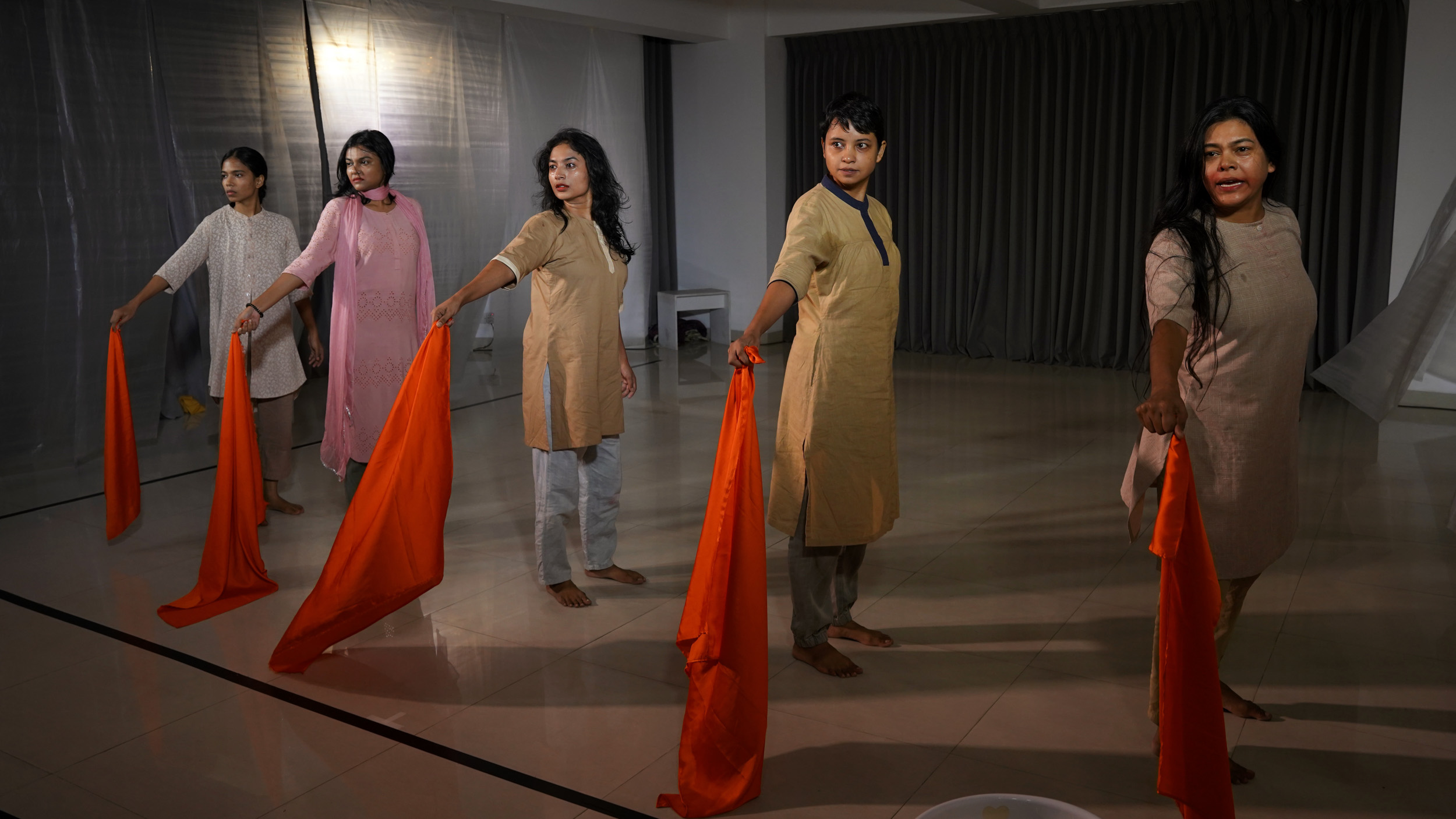
Women are born into a life of pain, entwined with continuous oppression. Crushed, silenced and trampled, her existence is marked by constant humiliation. And yet, just as dust rises from the neglected corners of a swept room, just as storms brew without warning from a deceptively still sky—she rises. Over and over, she stands up. Dragged, pulled, but unwavered, stubborn as nature, she moves forward.
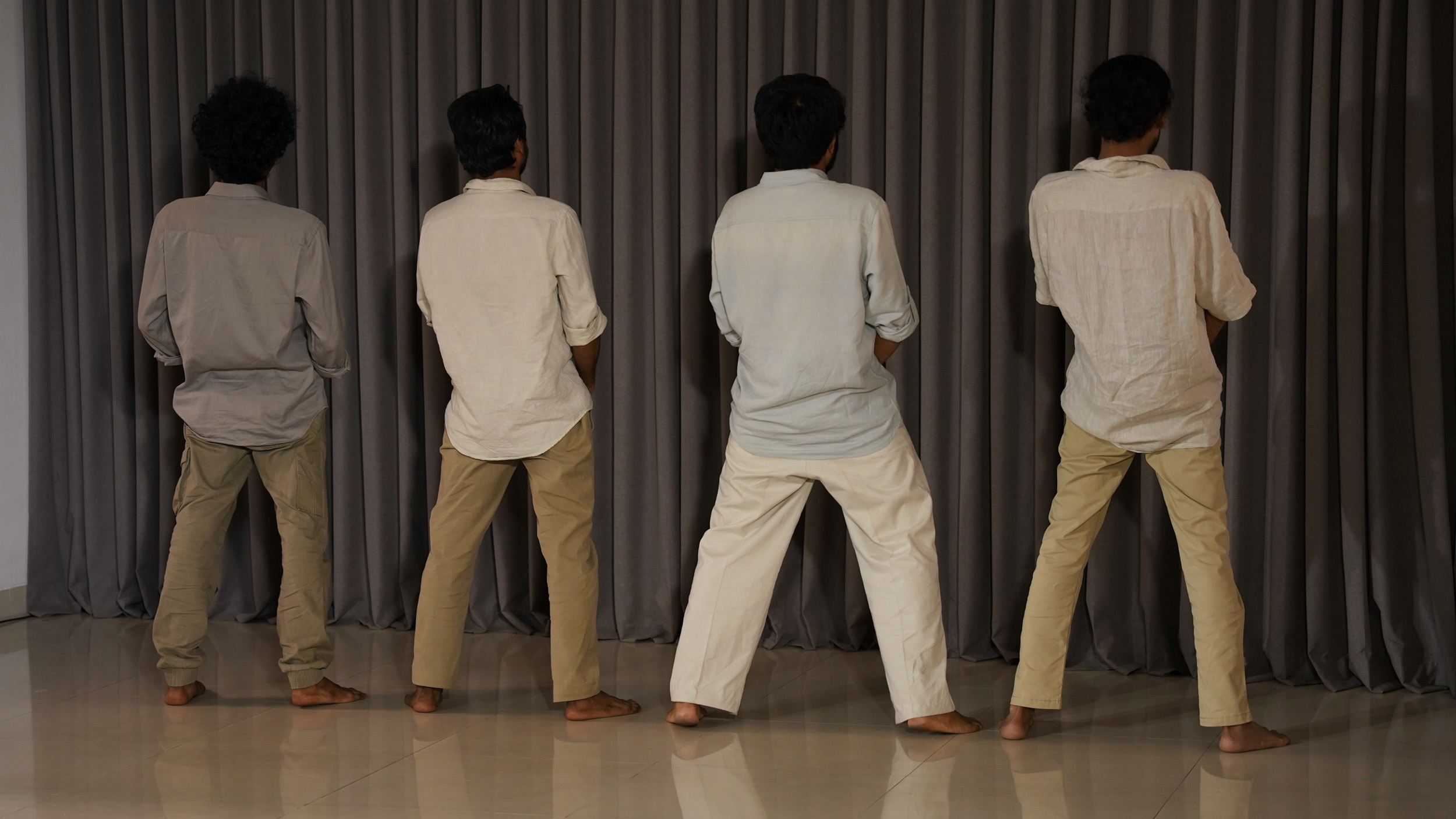
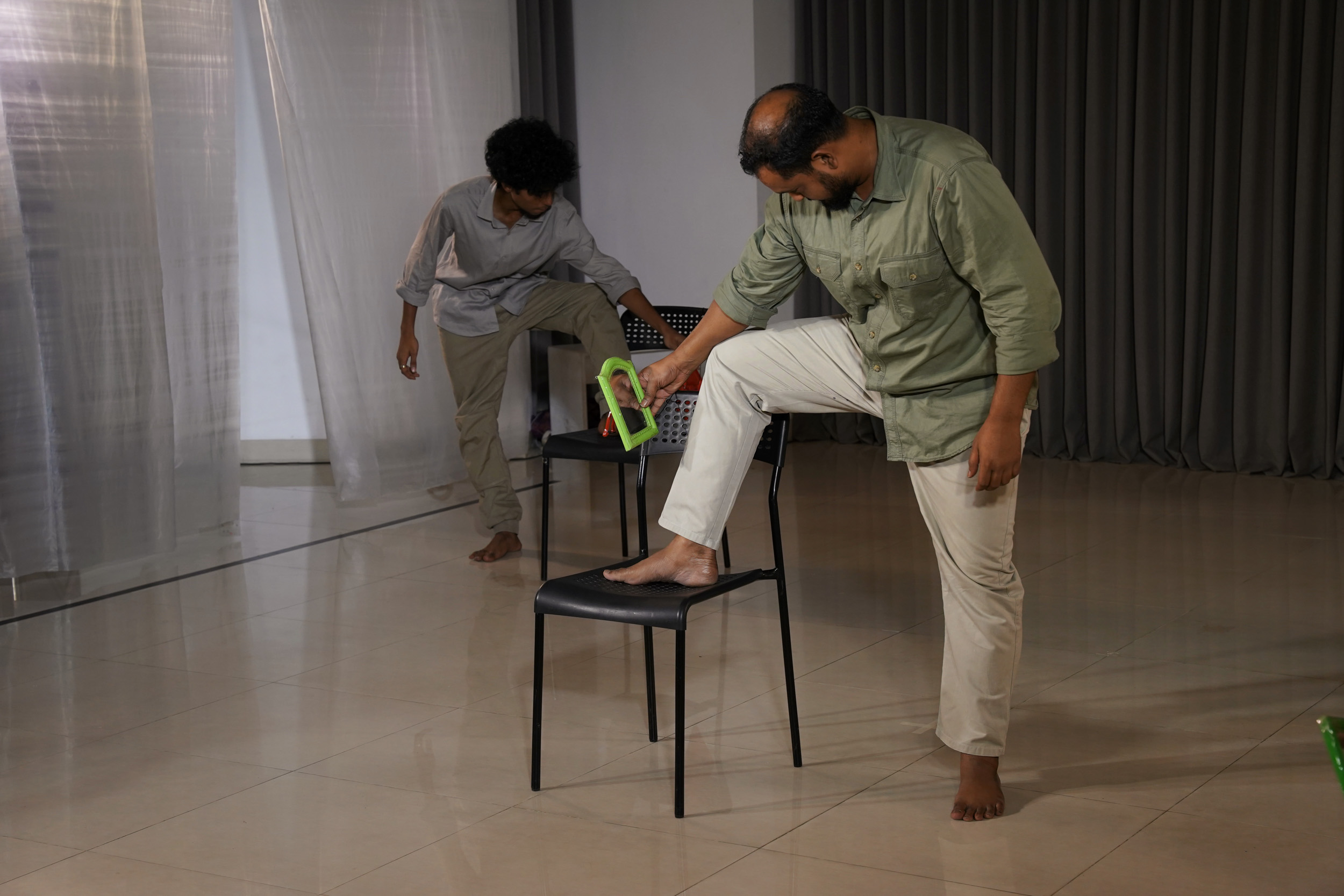
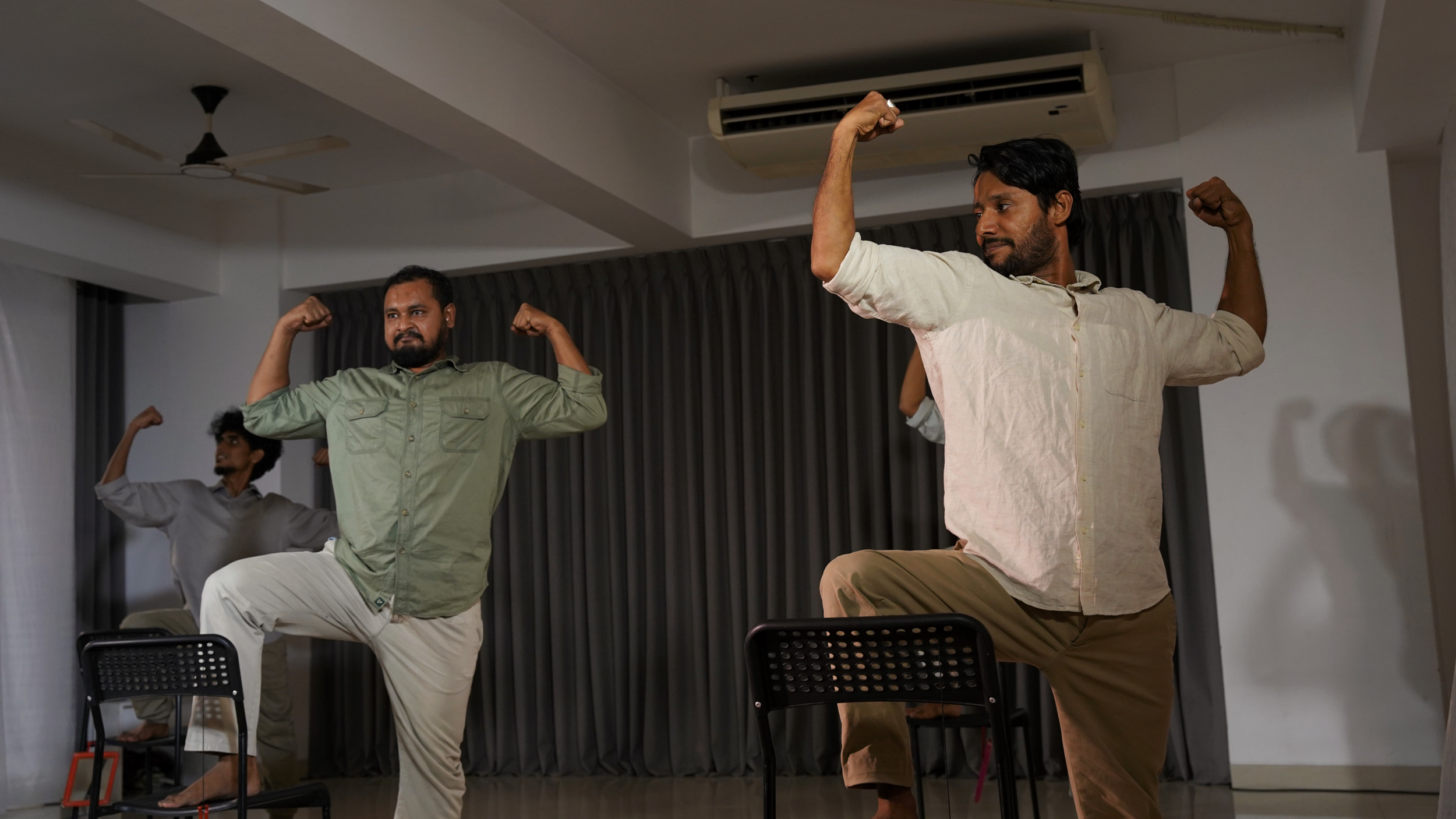
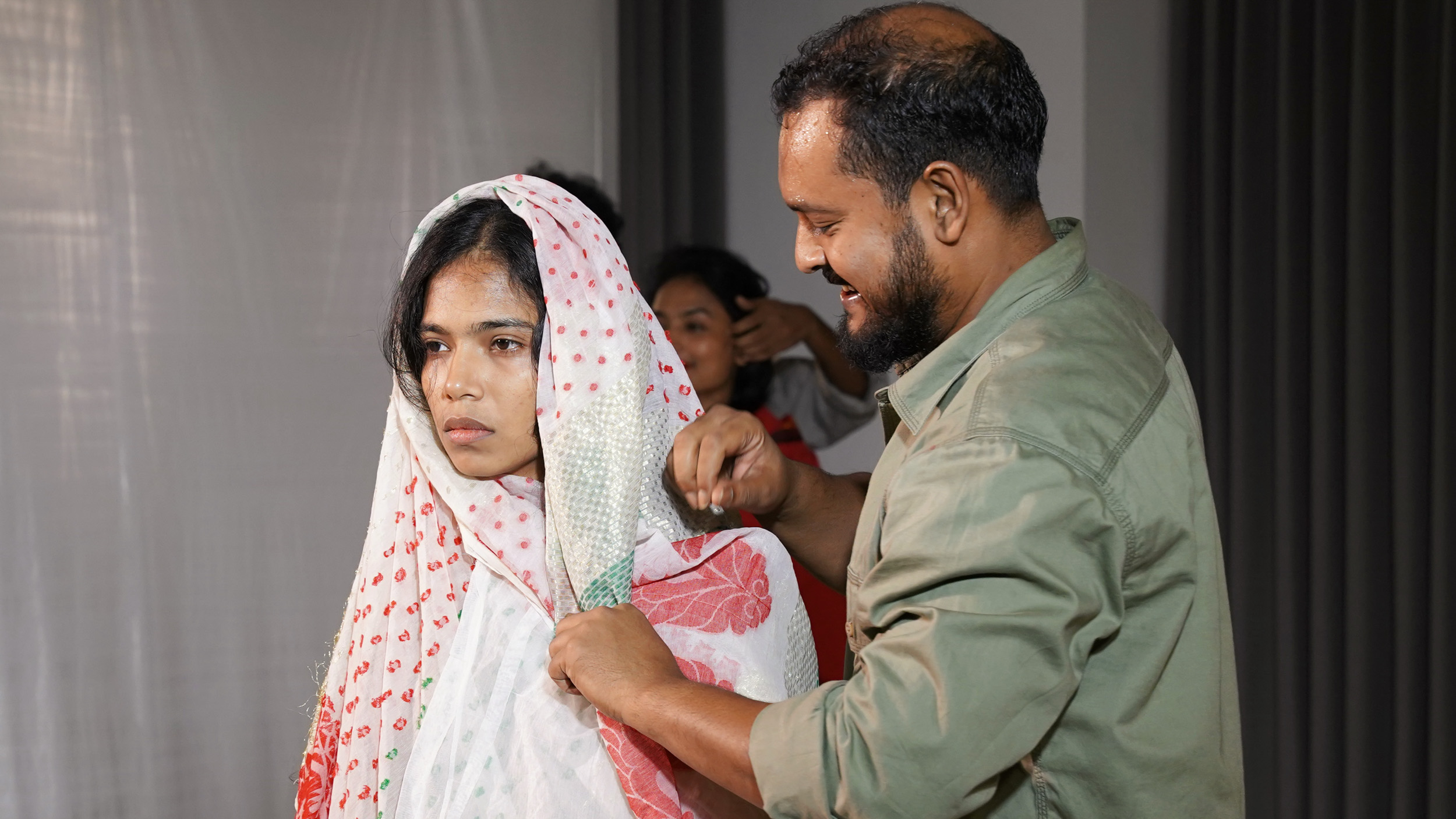
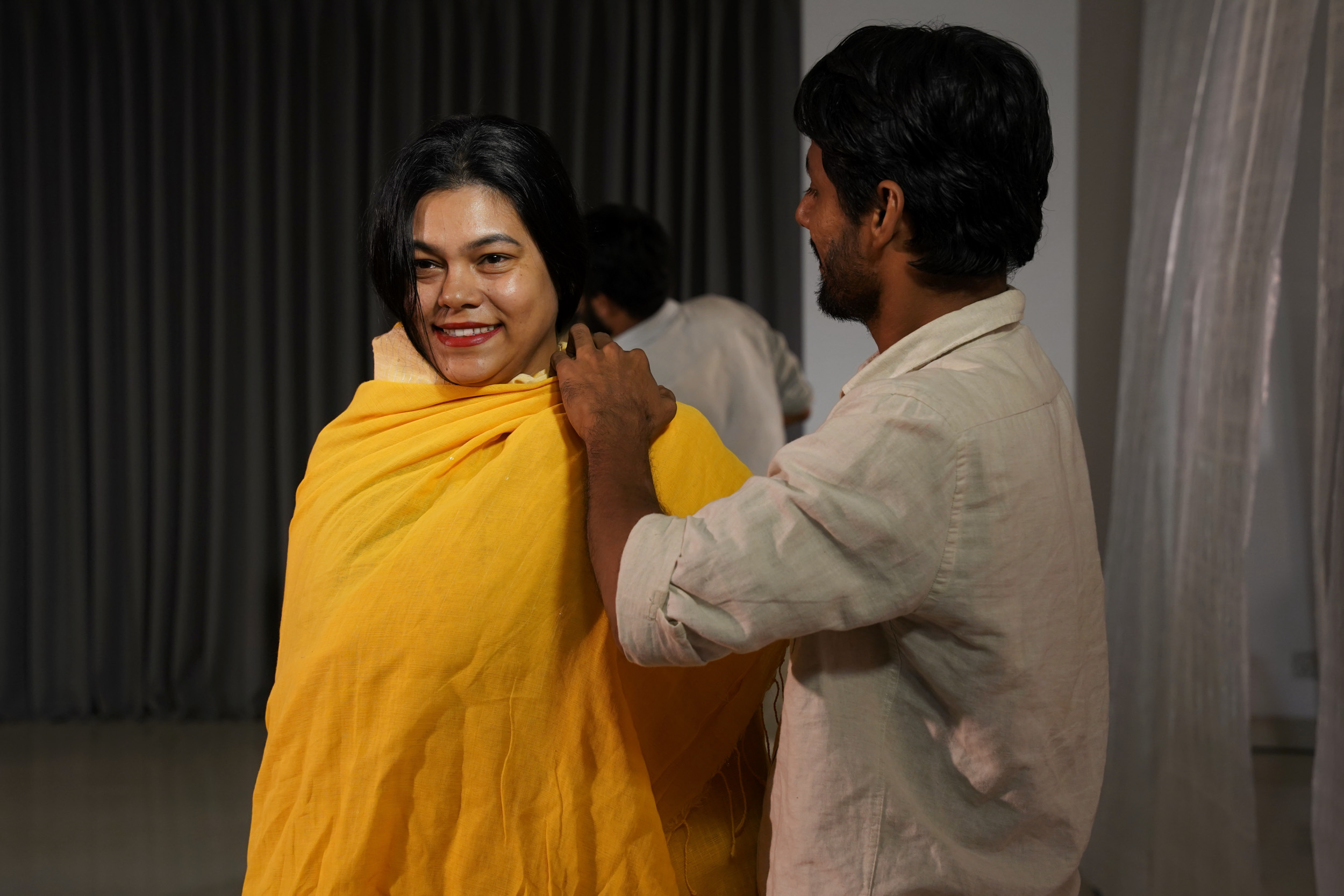
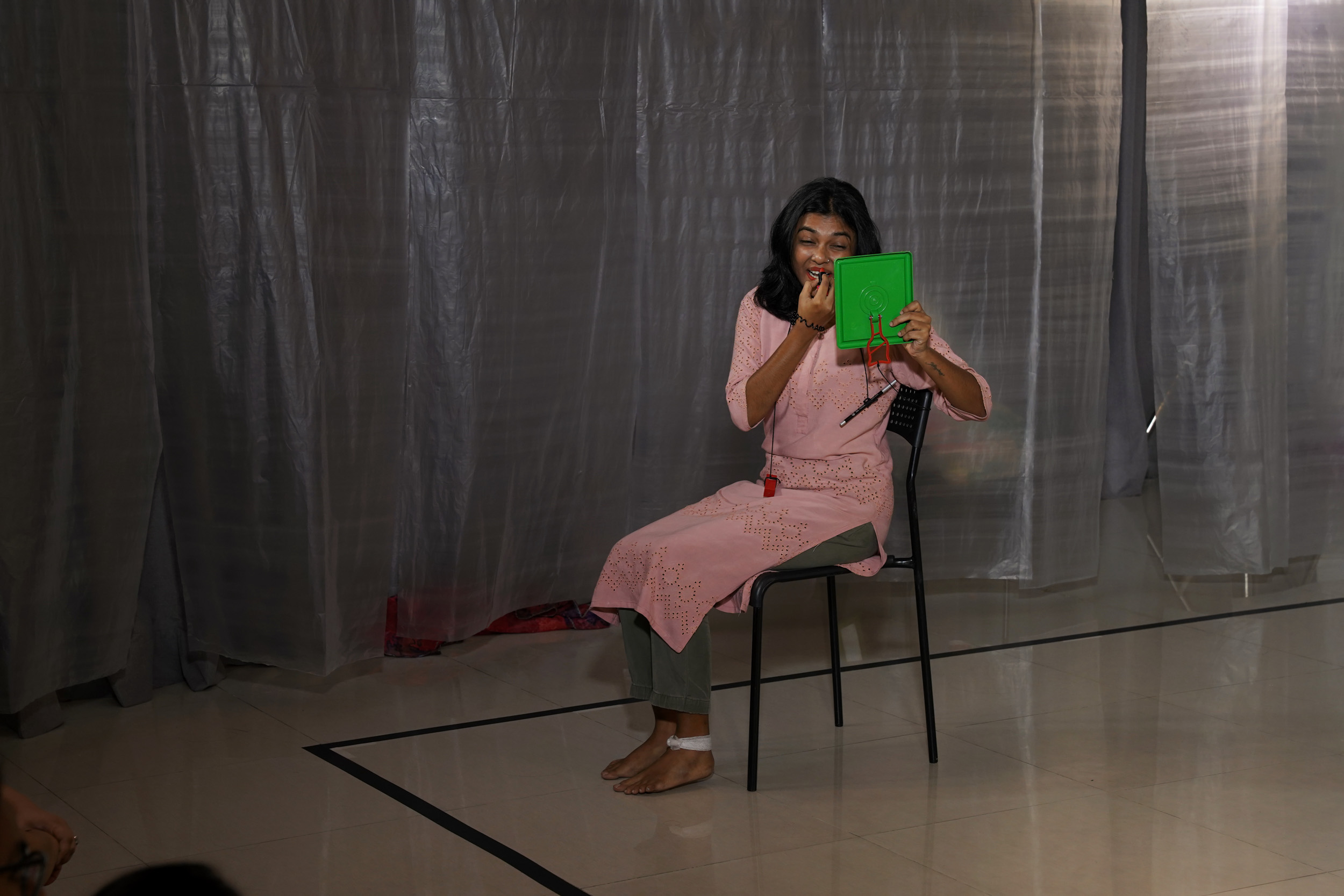
The production, devised in 2024, is Postdramatic in structure. It de-emphasises verbal articulations and builds on choreographed movements.